
‘Enmeshed’ is an adjective that can describe patterns in your relationships that feel confusing, overwhelming, or emotionally consuming. Enmeshment is when you feel deeply connected to the people in your life, and at the same time, unsure where you end and the other person begins.
In enmeshed relationships in particular, you may sense that closeness comes with pressure, obligation, or an emotional responsibility that feels heavier than it should. Sometimes, it may feel like you always have to be “on” for others, constantly monitoring their emotions or anticipating their needs before your own.
Knowing how to identify the signs of an enmeshed relationship can give you language for experiences that may have shaped your emotional world for years. It also gives you a starting point for recognizing what feels unhealthy and learning how to move toward relationships that allow both connection and individuality.
By naming enmeshment when it shows up, you can begin to notice patterns that once felt invisible, and you can start making choices that honor your own emotional boundaries, leading you to healthier, more balanced relationships.
What Is Enmeshment?
If you have ever wondered, ‘What is enmeshment?’, the simplest way to understand it is this: enmeshment describes relationship dynamics where emotional boundaries are blurred, and your personal identity becomes tightly tied to the emotions, needs, or expectations of others. In enmeshed relationships, emotional closeness comes at the expense of independence, autonomy, and the freedom to make decisions that align with your own values.
Research published in the Journal of Family Psychology describes enmeshment as a pattern in which family members are overly involved in one another’s emotional lives, typically at the expense of independence and autonomy. Although this over-involvement may seem caring on the outside, it is not truly loving or supportive: it’s a form of connection that pressures you to remain emotionally fused with someone else. It can lead you to believe that emotional distance is unsafe, disloyal, or harmful.
So if you ask yourself, ‘What does enmeshed mean?’ in real life, it often looks like feeling responsible for other people’s feelings, struggling to make decisions without approval, or feeling guilty when you prioritize your own needs. You may also notice that your emotional state changes depending on who you are with or how they are feeling, rather than how you truly feel internally.
How Enmeshment Develops in Families
Enmeshment often develops within family systems, especially when your parents did not set clear emotional boundaries. If you grew up in a family where closeness is prioritized without space for individuality, it is likely that you learned that your role is to stay emotionally available, agreeable, and responsive at all times. You may have felt that your feelings or opinions didn’t matter unless they aligned with someone else’s, or that asserting your needs could trigger conflict or guilt.
Research examining young children and family dynamics found that high levels of enmeshment in family relationships, especially when paired with instability in a parent-child relationship, were associated with increased acting out and unhealthy behaviors. This suggests that when emotional boundaries are unclear, children may struggle to regulate their emotions and behaviors. Over time, these patterns can teach you that emotional responsibility for others is central to your worth and belonging as a person.
In enmeshed families, emotional needs are often shared in ways that place adult expectations on children. You may have felt responsible for comforting a parent, mediating conflict, or maintaining emotional harmony in your household. Over time, this can shape how you understand relationships and your place within them, blurring your personal identity and needs.
Family enmeshment can show up in subtle ways… Privacy may be limited. Opinions may be forced on you without an invitation. Emotional reactions may feel amplified and shared across the family. You may have learned, subconsciously, that independence creates tension, distance, or emotional withdrawal. To make matters more confusing, these patterns are often normalized in daily family life, which can make them harder for you to recognize later on.
Even in families that appear functional on the surface, enmeshment can be present in emotional expectations. For example, parents who frequently overshare adult worries with their children or expect children to comfort them emotionally may inadvertently foster enmeshment. Similarly, if parents relied on you to keep your sibling relationships harmonious, you may have learned to prioritize others’ emotions over your own beyond what is normal or healthy.
How Enmeshment Can Follow You Into Adulthood
When enmeshed relationships are part of your early emotional environment, they can continue to influence how you relate to others as an adult. You may find yourself in relationships where constant closeness and responsibility for others feels intense and consuming. You may struggle to say no, express disagreement, or take space without feeling guilt or anxiety. These patterns affect all of your social wellness; meaning they can appear in your romantic relationships, friendships, and even at work.
Enmeshed relational patterns can show up in romantic relationships as constant emotional monitoring, difficulty maintaining independence, or feeling unsettled when your partner needs space.
In friendships, it can look like feeling overly responsible for a friend’s mood, needing someone else to empathize with you to an unhealthy level, or feeling distressed when emotional closeness shifts.
In professional settings, enmeshment might show up as taking on responsibilities that are not yours or absorbing coworkers’ stress in ways that feel unavoidable.
You may also notice that your sense of self feels flexible depending on who you are with. Your preferences, opinions, or goals may change in response to others’ expectations. This can create confusion around identity and self-trust, leaving you questioning what you actually want versus what others want for you.
Remember: these patterns are not a personal failure. They are learned responses to relational environments where connection came with emotional over-responsibility. Recognizing that these responses were adaptive at one time – for example, keeping family harmony – can help you approach change with self-compassion rather than guilt.

Enmeshment Versus Healthy Closeness
One of the most important steps in recognizing enmeshed relationships is understanding the difference between closeness and intrusiveness. Research published in Family Process highlights that emotional closeness becomes unhealthy when it crosses into intrusion and undermines your autonomy (your ability to make meaningful choices).
Healthy closeness allows emotional support without control. It respects your emotional privacy and individual decision-making, while still offering depth of relationship. Enmeshed relationships, on the other hand, come with emotional involvement that feels intrusive or overwhelming. You may notice enmeshment if:
- You feel guilty when you prioritize your needs
- You struggle to separate your emotions from someone else’s
- You feel pressure to maintain emotional harmony
- You feel anxious when relationships shift or change
- You fear disappointing others even when honoring yourself
Closeness becomes unhealthy when emotional boundaries are unclear and individuality feels unsafe. Recognizing this difference helps you begin to identify where you may need to reclaim your sense of self.
Recognizing Enmeshment in Your Own Life
Recognizing being ‘enmeshed’ often starts with noticing patterns in your own life, rather than labeling other people or relationships. You may begin, for example, to observe how you respond emotionally in close relationships and how much space you feel allowed to take:
- You may notice that emotional distance feels threatening, even when no conflict exists.
- You may notice that your sense of worth feels tied to being needed or emotionally available.
- You may also notice that expressing your own needs feels uncomfortable or risky.
Understanding what enmeshment is becomes clearer when you reflect on how often your emotional state is shaped by others’ moods, expectations, or reactions. If your emotional health feels dependent on keeping others comfortable, enmeshment may be present.
Journaling your experiences, noting triggers for discomfort, or reflecting on repeated patterns across different relationships can help you see where enmeshment shows up.
Finally, you may begin to notice the cumulative effect of being enmeshed with others over time: chronic stress, emotional fatigue, or difficulty making autonomous decisions. Awareness is the first step toward creating the boundaries you need to feel grounded.
How Enmeshment Affects Your Emotional Health
Research published in the Journal of Family Psychology found that adolescents who perceived their families as enmeshed also experienced more challenges with emotional regulation during stressful situations. This shows that unclear emotional boundaries can make it harder to manage your emotions independently.
When emotional regulation is learned within enmeshed systems, emotions are often shared rather than processed individually. This can create heightened sensitivity to relational shifts and stress. As an adult, this may show up as emotional overwhelm, anxiety around conflict, or difficulty trusting your own emotional responses. You may feel uncertain about which feelings belong to you and which belong to others.
Recognizing these patterns is an important step in moving forward. When you understand the long-term impact of living enmeshed, you can approach relationships with more intentionality and self-awareness.
Setting Boundaries Without Losing Connection
Setting boundaries can feel challenging when enmeshed relationships have shaped your understanding of closeness. Boundaries may initially feel like rejection or distance, especially if you learned that infinite emotional availability equals love.
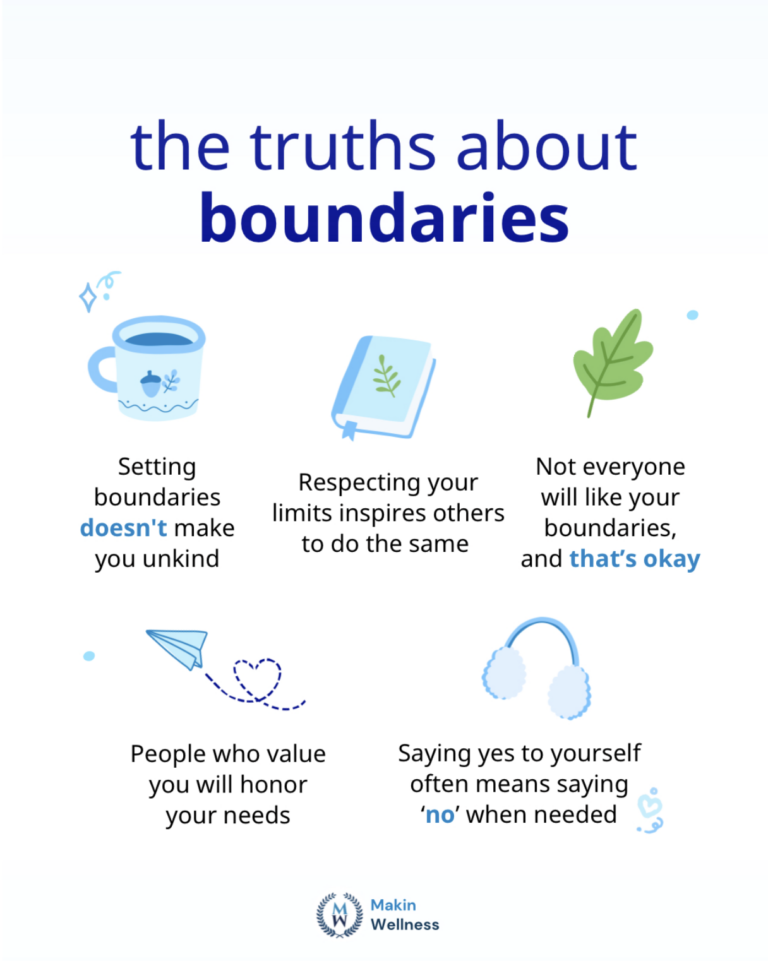
Healthy boundaries are not about withdrawing from your relationships. They are about creating clarity around your emotional responsibility and allowing space for mutual respect. Boundaries may involve:
- Naming your limits around emotional availability
- Allowing others to manage their own emotions
- Giving yourself permission to take space
- Making decisions based on your values rather than approval from others
Boundaries allow relationships to shift from emotional fusion toward healthy interdependence. For example, you might explain to a parent or partner that you need personal time each evening to decompress. Doing so communicates care while also honoring your individuality.
Moving Toward Interdependent Relationships
Interdependence allows closeness and individuality to exist together. In interdependent relationships, you can care deeply for others while remaining grounded in your own identity.
Moving toward interdependence involves practicing emotional differentiation. This means recognizing where your emotions end and others’ emotions begin. It also means allowing others to experience discomfort without feeling responsible for fixing it.
This shift takes time and patience. You may notice discomfort as patterns change. You may also notice increased clarity, emotional stability, and self-trust. Over time, practicing interdependence can help you experience relationships that feel connected, supportive, and emotionally sustainable.
Enmeshment Support Through Online Counseling
Without any support, it can be very challenging to navigate enmeshment and change the way you interact with others. Working with an online therapist provides a supportive space where you can explore relational patterns, strengthen personal boundaries, and build emotional regulation skills.
Through online therapy at Makin Wellness, you can receive specialized support that helps you move forward with clarity and confidence. As you navigate your own mental health journey, the changes you make can also influence the people around you for the better. Healthier boundaries create healthier dynamics within families, friendships, and romantic relationships.
Understanding enmeshment is not about blame. It is about awareness, choice, and growth. As you recognize these patterns and begin to reclaim your sense of self, you create space for relationships that feel connected, respectful, and emotionally supportive. If you need help making these changes, call us at (833)-274-heal or click here to schedule an appointment today.
Additional clinical review provided by Maddison Fyffe, MA, LPC, Licensed Professional Counselor at Makin Wellness.