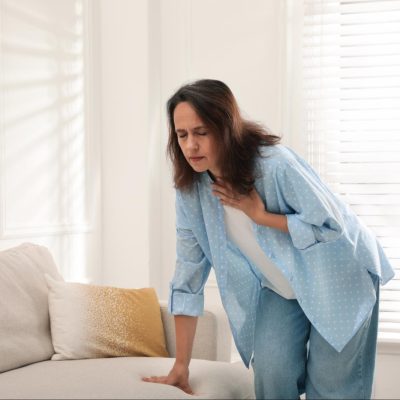
If you are experiencing shortness of breath from anxiety, you might feel tightness in your chest, a racing pulse, nausea, or a general sense of not being able to get enough air. If you faint, have trouble breathing when you lie down, notice your finger tips or lips turning blue, or just do not feel right, please seek prompt medical assistance. Shortness of breath from anxiety or any other medical condition should always be taken seriously.
Sitting in your car, the light turns green, and you start pulling out into the intersection. Then another car races out in front of you. You slam on the brakes. Your heart starts racing, your hands tremble, you feel nauseous, and your breathing becomes faster, to the point where you are having trouble catching your breath. This is an anxiety response.
Anxiety is a normal emotion to experience and can even be helpful, though there are times it can make life more challenging. In the previous article in this series, we looked at the difference between a panic attack and an anxiety attack. Here, we will examine how to tell if shortness of breath is from anxiety, as well as answering the question, “Can anxiety cause chest pain?”
What is anxiety?
Anxiety is a common emotion and can protect you from danger by invoking a fight-or-flight reaction in your nervous system. While it is a typical response to stressors, it can lead to tension, worry, and physical and emotional symptoms. This is a reason many people ask, “Can anxiety cause chest pain?” – especially when your symptoms are physical and intense.
A reasonable episode of anxiety can cause some symptoms for a short period of time, ending with your body self-regulating and returning to a calm state. If you find yourself experiencing anxiety well past the triggering event, or without a clear reason, that could be a symptom of an anxiety disorder.
What are some symptoms of anxiety?
There are numerous potential symptoms of anxiety. You could experience just a few of them when you are anxious, or many. Additionally, you may not always go through the same ones. Some anxiety symptoms might also overlap with other issues
So, to answer the question, “Can anxiety cause chest pain?”, the answer is a resounding “yes”. Anxiety can absolutely cause chest pain that feels like pressure on your chest, or a sharp, stabbing pain.
If that sounds like your experience, we recommend keeping track of your symptoms in real time, noting the date, time of day, and situation in which they flared up. This can help with determining whether these symptoms are linked to something other than anxiety.
Some common anxiety symptoms include:
- light-headedness;
- increased heart rate or palpitations;
- sweating;
- shortness of breath;
- anxiety chest pain;
- stomach pain or nausea;
- chills or hot flashes;
- trembling;
- irritability; and
- uncontrollable worry.
As you can see with this list, anxiety can affect you physically, emotionally, and mentally. Let’s look more at how to tell if shortness of breath is from anxiety or another condition in the next section.

Why does anxiety cause shortness of breath and chest pain?
It can be useful to know, from a scientific perspective, what causes shortness of breath when determining whether your symptoms are from anxiety or some other source. Let’s dig into that science now.
When your body is confronted with a stressor – like a major life event, physical illness, or daily frustrations – this can activate your fight-or-flight response. This is due to your body releasing the hormones cortisol and adrenaline, which trigger your autonomic nervous system, and which increase your anxiety. This chemical release also helps to answer the question, “How can anxiety cause chest pain?”
These chemical changes can lead to an increase in your breathing rate, in turn causing a decrease in the volume of carbon dioxide in your bloodstream, creating a feeling of suffocation.
Left unchecked, this can trigger a loop where your stress triggers a hormonal release, and that release causes a physiological response (shortness of breath), increasing your anxiety, and pushing more hormones into your system.
In simple terms, anxiety causes shortness of breath and chest pain by:
- Releasing stress hormones (cortisol and adrenaline),
- Increasing your breathing rate,
- Creating muscle tension in your chest, and
- Disrupting your oxygen and carbon dioxide balance.
What are some medical causes of shortness of breath?
There are many medical disorders for which shortness of breath is a symptom, and when considering how to tell if shortness of breath is from anxiety, ruling out other medical ailments can help.
Some medical issues that can cause shortness of breath include, but are not limited to:
- heart or lung disorders;
- anemia;
- smoking;
- respiratory infections (e.g., bronchitis/pneumonia);
- allergies;
- being overweight;
- blood clot;
- abnormal heartbeat; and
- medications (e.g., statins or beta blockers).
Symptoms of these medical issues can include:
- lightheadedness/fainting;
- nausea;
- vomiting;
- anxiety chest pain/tightness;
- blue lips or nails;
- foot and ankle swelling;
- coughing;
- wheezing;
- confusion;
- fever;
- difficulty breathing at rest; and
- worsening of shortness of breath.
The bottom line is, it doesn’t matter if you know how to tell if your shortness of breath is from anxiety or not. If you are experiencing any shortness of breath, you would be wise to seek medical help as soon as possible.
You can start with the ER if you are having significant trouble controlling your breath, or your primary care physician (PCP) if your symptoms have come and gone. From there, testing can be done to determine the cause, as well as any next steps.
While progress has been made, there can still be a stigma around the physical symptoms of mental health issues. Please do not think that if your shortness of breath is due to anxiety, that it is not as “serious” as if it were from a separate medical issue like asthma. Your mental health is just as important as your physical health.
What are some ways to regulate your breathing?
Once you have worked through the question of “how to tell if shortness of breath is from anxiety”, and determined that yours is due to anxiety, one of the next steps is to find practical ways to manage your shortness of breath.
Here are 7 options for you to try.
1. Use breathing exercises
Breathing exercises may improve your shortness of breath and reduce your anxiety. Deep breathing can help regulate your parasympathetic nervous system, lower cortisol and adrenaline levels, and bring your breathing back to normal. Additionally, you can use an app to find an assortment of breathing exercises; just search your phone’s app store.
2. Engage in physical exercise
Exercise can improve your life in many ways. It has been shown to lower anxiety, which could lead to less shortness of breath. It is also good for your overall physical health and can be a great stress relief.
Importantly, this does not have to involve spending hours in the gym on machines or lifting heavy weights. You can start by finding something that you enjoy that matches your physical ability. There are many adaptable exercise videos available online, and don’t discount the simplicity of going for a leisurely walk. As always, check with your doctor to make sure you are healthy enough to exercise, and then find out what types are best for you.

3. Eat a healthy diet
A healthy diet does not mean that you have to give up all the foods you love. Food is often some of the best medicine. Balance is the key here. It can help to focus more on the foods you can eat rather than dwell on what you should avoid.
You could make a list of foods that boost your mood, improve your energy, or keep your blood sugar stable, and make those your main “go-to” options. Highly processed foods, caffeine, alcohol, and refined sugars, on the other hand, can affect both your mood and energy. Consider just sprinkling those in from time to time.
4. Sleep
Both the amount and quality of your sleep can affect your ability to handle everyday situations. If you are experiencing poor sleep, you may want to schedule an appointment with your PCP. It could be that you have a sleep disorder, which can also cause shortness of breath.
We all have different sleep needs, including how many hours we need. You might consider using a smartwatch to measure your sleep and find your “sweet spot”. This is the number of hours you need to sleep so that you wake up ready for the day, instead of feeling drained and tired.
We understand that external factors can reduce the quantity and quality of your sleep. Some of those you can adjust, and some you can’t. We encourage you to make small improvements where you can.
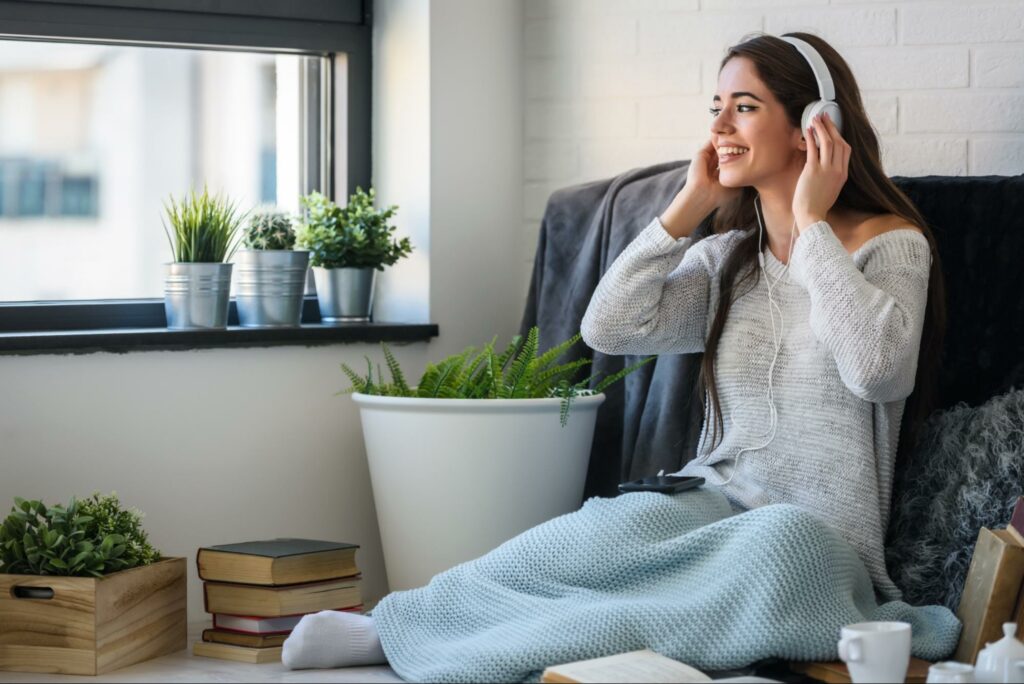
5. Listen to your favorite slow music
You could use music to help regulate your breathing. Genre is not as important as finding something calm and steady, to help you match the rhythm of your breathing to whatever slower music you choose.
6. Grounding and mindfulness
Using grounding and mindfulness techniques may help you shift your focus away from your perceived inability to breathe, allowing you to slow and control your breathing better.
A common grounding exercise is the 5-4-3-2-1 technique, in which you identify 5 things you see, 4 things you can feel, 3 things you hear, 2 things you smell, and 1 thing you taste.
You can also use mindfulness to assess what your body is feeling. To do this, lie down or sit comfortably, but straight. Breathe in slowly and deeply through your nose and out of your mouth. Start either at your head or your toes, and pay attention to how your body feels and what you think about each part.
Both grounding and mindfulness could assist you in calming your breathing and reducing your anxiety.
7. Online therapy
An online therapist can help you walk you through how to tell if shortness of breath is from anxiety. They might use either cognitive behavioral therapy (CBT) and dialectical behavioral therapy(DBT) to address the root of your anxiety and shortness of breath. They may also provide you with other exercises to manage your shortness of breath.
When might you consider working with an online therapist?
If you find that you are having a significant struggle regulating your anxiety-induced shortness of breath or anxiety chest pain, you may want to reach out for some additional help.
Having an online therapist can assist you with implementing better coping mechanisms for anxiety. That reduction of anxiety could reduce the amount and intensity of your shortness of breath.
It can also be helpful to have someone supporting you who will objectively examine the sources of your anxiety. An online therapist could help you put some of your stressors in perspective, which may then l reduce certain aspects of the anxiety you’re experiencing.
Key Takeaways
- Anxiety can cause both shortness of breath and chest pain.
- Anxiety chest pain is linked to your fight-or-flight response.
- Symptoms can feel intense but are often temporary.
- It’s important to rule out medical causes first.
- Breathing techniques and therapy can help you manage symptoms.
Anxiety and shortness of breath don’t need to hold you back
Understanding how you can improve your shortness of breath once you know how to tell if shortness of breath is from anxiety can be life-changing. At Makin Wellness, our goal is to see you living your best life, so if shortness of breath is holding you back, we would love to explore options that can help you reduce it.
We offer low-key and empowering online therapy that allows you to set the pace and direction of your mental health journey.
Online therapy provides a relaxed, safe space to:
- Learn about shortness of breath and other symptoms of anxiety;
- Practice evidence-based techniques to reframe your thoughts, like CBT and DBT, with professional guidance;
- Determine which coping skills best manage your shortness of breath and anxiety; and
- Set goals that reflect your values.
You deserve not to have your shortness of breath or anxiety control your journey. Your Makin Wellness online therapist is here to help with that when you’re ready.
If you are unsure whether online therapy is right for you, your online therapist can help answer any questions you have about how to tell if shortness of breath is from anxiety.
Call us at (833)-274-heal or click here to schedule an appointment with one of our caring online therapists today.