

Death is a challenging concept to process, and it can be especially hard when someone you love dies. Grief is the natural reaction to loss, and it can take time to work through all of the different stages. Even though there’s no right or wrong way to grieve, accepting death can be an important part of your mental health journey.
In this blog post, we will discuss the 6 stages of grief and how to work through them. We will also provide tips for coping with loss. Keep in mind that everyone experiences grief differently, so don’t be afraid to seek out professional help if you need it.
Ultimately, there is no wrong or right way to grieve; just do what works best for you. With time, patience, and the right emotional tools, we are confident you will be able to overcome your grief and begin moving forward again.
Is Accepting Death Even Possible?
“Time heals all wounds…”
“It was their time to go…”
“They’re in a better place now…”
Do any of these clichés sound familiar? These well-intentioned phrases often do more harm than good. They minimize the pain of loss by creating harmful ‘should’ narratives that show up as mental roadblocks, preventing you from moving on emotionally.
Accepting death is not the same thing as magically being okay with it. Accepting death means learning how to acknowledge what happened without feeling guilty, angry, or resentful about it. This kind of acceptance is not easy and often takes time.
Research on grief and loss is still relatively new, yet there are a few things psychologists have agreed on. Accepting death is possible with time, patience, and by understanding that the feelings you’re experiencing don’t have to be permanent.
Coming to terms with bereavement also involves accepting the fact that things won’t be exactly as they were before your loved one died; you have permission to adapt to that new reality and move forward.
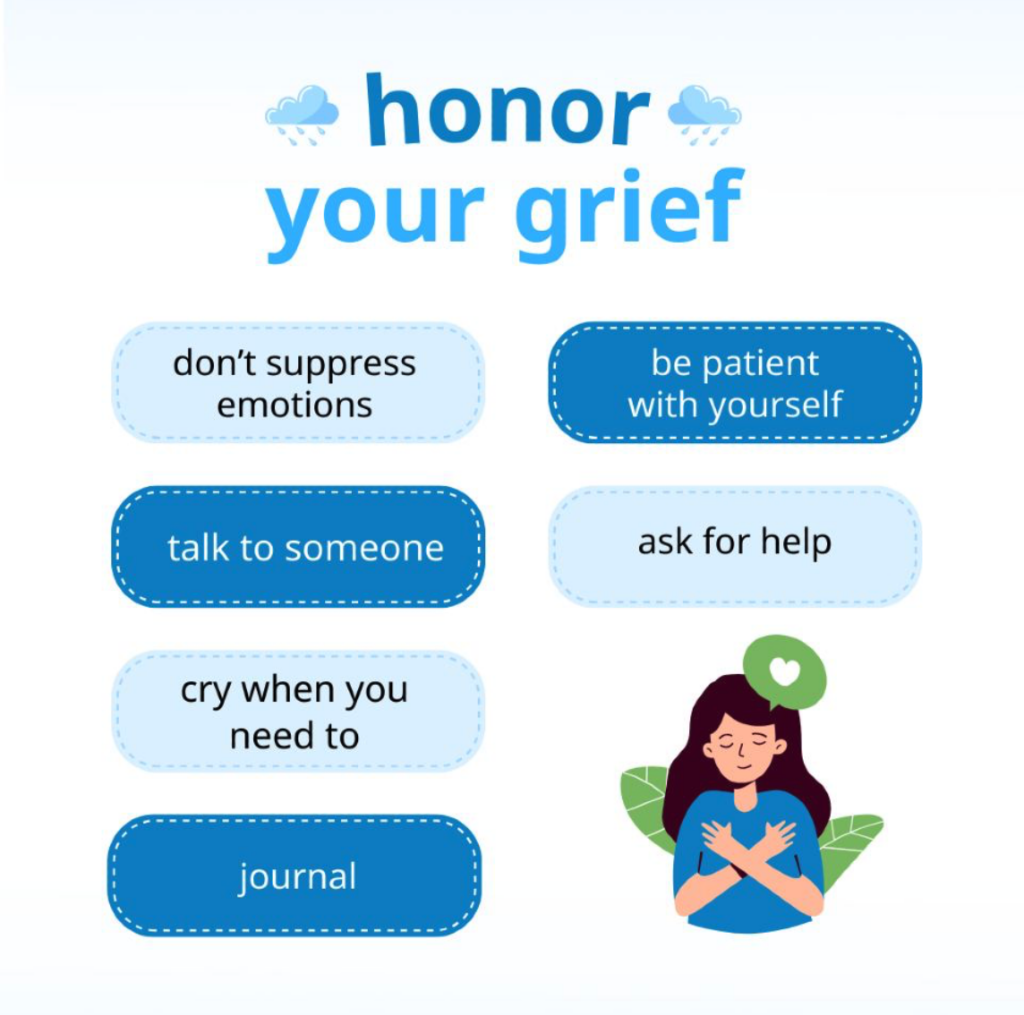
One of the most important parts of the grieving process is allowing yourself to feel whatever you’re feeling in the moment. Accepting death doesn’t mean suppressing your emotions and “putting on a happy face” all day long; instead, it’s okay to cry, be angry, or simply sit quietly and reflect for a while.
So, to answer the question, “is accepting death even possible?” – yes, it is, according to psychological research. Even though it may not be easy, and your grief journey may look different from everyone else’s, it is possible.
Accepting death is a process that takes time and patience, and with the right support, you will be able to move through the different stages of grief and eventually learn how to accept death in your own way.
Now that we’ve covered some background information about accepting death, let’s talk about the 6 stages of grief.
The 6 stages of grief
The 6 stages of grief are described as denial, anger, bargaining, depression, acceptance… and hope.
In 1969, Dr. Elisabeth Kubler-Ross first proposed the theory that there were 5 stages of grief. She came to this conclusion after interviewing patients who were dying of cancer. This original ‘5 stages’ theory is still commonly used, even though it has been expanded and revised over the years.
For instance, in 1992, Dr. Kenneth J. Doka added hope to the stages of grief, recognizing that many people find it helpful to have something to look forward to after a loved one dies; that addition rounds out the 6 stages of grief we will be talking through today.
Each of the 6 stages of grief is unique to your journey and can be accompanied by a variety of emotions. These aren’t necessarily linear: you might move back and forth between different stages. It’s also important to remember that these are simply guidelines, and everyone experiences grief differently.

Denial
What happens in the denial phase of grief?
Denial is an important part of the grieving process because, somewhat counterintuitively, it paves the way for you to accept that your loved one has died.
In the denial stage, there are a lot of common symptoms such as disbelief, numbness, and shock. You may feel like you’re living in a dream or that this can’t possibly be happening to you. Denial helps cushion the blow of your loss and allows you time to process what’s happened.
In other words, denial can be your body and mind’s way of protecting you from the pain of what has happened, so that you are not completely overcome by the emotional intensity of your situation.
You can imagine it a bit like the door to a storeroom where all your grief is held. Denial keeps the door temporarily closed, only opening it in small bursts and releasing the pain of your loss as and when you can handle it. When the door is closed, you can continue your life as if everything is the same; each time you open it, you can learn to manage the reality that things are, in fact, different.
How long does denial last?
Denial is usually strongest in the early days after someone dies. It may last for a few days or even weeks, and it will usually fade as you continue to accept the loss and face reality. Remember: accepting death isn’t about forgetting or pretending the person you love didn’t die; instead, it’s understanding that their physical presence isn’t coming back and learning how to live without them.
Anger
What happens in the anger phase of grief?
Feeling angry is a normal and healthy response to loss. Depending on your worldview, you may be angry with yourself, with your loved one for dying, or even with God or the Devil. Many people report feeling abandoned in the anger phase: you might feel like your loved one died too soon or that there were things left unsaid between the two of you.
You are not alone if you feel anger toward your loved one for dying; this is perfectly normal, and you don’t have to feel guilty for it. Accepting that you’re angry isn’t easy; just know that it is an essential part of the grieving process.
It’s important to give yourself the space to really feel and release your anger, ideally in a safe setting. This might look like shouting or screaming into a pillow, venting your unfiltered emotions to someone you trust to listen without judgment, or channeling your energy into exercise (physical movement has been shown to help your body release and regulate trapped emotions).
How long does the anger phase of grief last?
This stage can be very intense and may even resurface throughout other stages of grief as well. The length varies from person to person – you might be angry for just a few days, while others may remain in the anger phase for several months.
Bargaining
What happens during the bargaining stage of grief?
In this stage, you might start to feel like there’s something you could have done differently – maybe you wish that you had spent more time with your loved one or tried harder to save them from dying. You may feel a sense of guilt for things you did or didn’t say during their life, and these feelings can become overwhelming very quickly if they’re ignored.
When your loved one is on the verge of death, you might start to bargain with yourself or even God: “I’ll do anything if only this doesn’t happen,” or, “I’ll do (blank) if God gives me another chance.” The bargaining stage is all about making deals and trying to find a way out of the pain you’re feeling.
On a practical level, bargaining can look like a desperate search for solutions, even when those are unlikely to work. You might seek out risky, experimental treatments because you can’t bear the thought of losing the one you love. While alternative medical options can sometimes work, it is important to acknowledge the emotions driving you to seek them out – in this case, bargaining.
How long does the bargaining stage of grief last?
Bargaining can be an intense experience, yet it usually doesn’t last very long – somewhere between a few hours and a few days. You might not even realize that you’re in the bargaining stage until it’s over and done with.
One way to help identify this stage is to regularly journal or record voice notes to capture what you are thinking and feeling, so that you can recognize it as you write and speak, or when you return to your notes and reflect later.
Depression
What happens during the depression phase of grief?
The depression phase is often characterized by intense feelings of sadness and emptiness. You might feel a deep sense of loneliness without your loved one, or you may even be angry with yourself for still wanting them to come back after they’ve died.
The symptoms in the depression phase are similar to those experienced during denial; it’s common to experience disbelief, numbness, and shock once again as you realize your loved one isn’t coming back, and it is beyond your abilities to do anything about it.
How long does the depression phase of grief last?
This stage can often last for a prolonged period of time, especially if you leave it untreated or ignored. Accepting that you’re feeling a sense of loss is important in moving on from this phase; if you don’t, you could remain in this stage for months or even years.
Acceptance
What happens during the acceptance stage of grief?
The acceptance stage is often seen as the “final” of the original 5 stages of grief, and it’s characterized by a newfound sense of peace and understanding that your loved one has died. You might find yourself talking about them more openly or feeling like you can finally start to move on with your life.
You’ll start to accept the reality of your loved one’s death and realize that you can’t change what happened. Even though this doesn’t mean that you’ll stop feeling sad or miss them, it does mean that you’re beginning to cope with their loss, and the intensity of those emotions will lessen over time.
How long does the acceptance stage last?
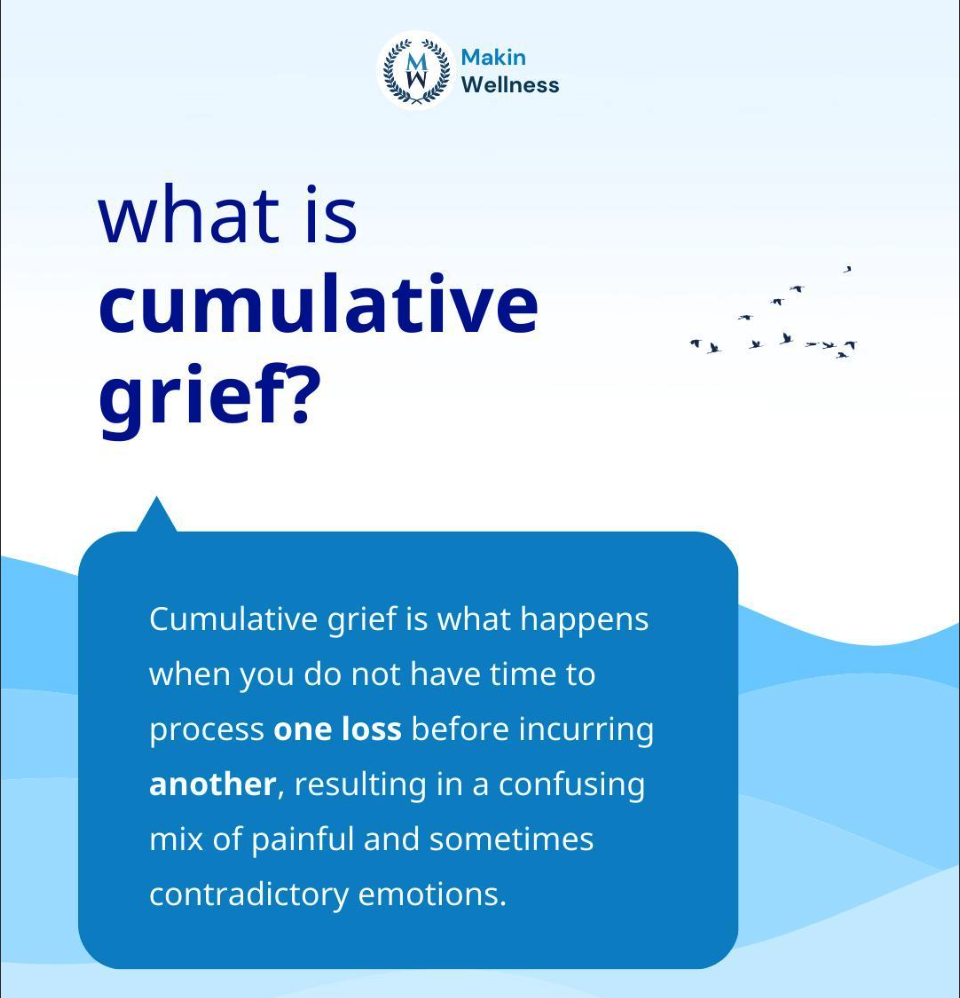
For many people, this stage lasts for a few months or even years. That is not the case for everyone: it’s important to note that some people never reach this stage of grief. Accepting death is different for everyone, and you might even find yourself experiencing all 6 stages of grief again if there are additional losses in your life.
Hope
What happens during the ‘hope’ stage of grief?
The ‘hope’ stage is a time when you start to see the future in a new light. You might begin to plan for the future or think about meaningful ways to honor your loved one’s memory.
You’ll start to feel like life is still worth living and that there are things left to look forward to. This doesn’t mean that you’ll be in denial about your loss anymore; it means that you’re able to find a sense of happiness again.
How long does the hope stage last?
This stage can either be very short or very long – depending on how much time has passed since your loved one’s death and what else is happening in your life right now.

Gentle tips for working through loss and grief
- Talk about how you feel with a safe, trusted friend or family member. And don’t be afraid to seek professional help if you feel overwhelmed – there’s no shame in asking for assistance from online therapists who are trained and experienced in grief counseling.
- Accepting death is different for everyone, so don’t compare yourself with others. Your feelings are valid, and they’re not wrong just because someone else seems to handle their loss differently.
- Accepting death can be challenging, even for those who work through all 6 stages of grief. If you feel like your grief is getting worse over time rather than improving, please reach out to an online therapist at Makin Wellness – we’re here to help!
- Accepting death doesn’t mean that all hope is lost or that you’ll never be happy again. There is life after death, and it can be just as beautiful as the life your loved one experienced.
- Research suggests that engaging with art – or perhaps making your own – can help you process what you are feeling and find meaning through the 6 stages of grief.
- Give yourself time to process – don’t expect to bounce back from grief overnight. Grieving takes time, patience, and a lot of self-care.
Need someone to talk to about loss or grief?
Even after learning about the 6 stages of grief, accepting death may not feel like a reality. You may still find yourself stuck in the earlier stages, unable to move on or process your loss because you can’t come to terms with what has happened.
If you need someone to come alongside you and help you process your feelings from a loss, we’re here to listen and support you. Accepting death may not be easy – it’s the first step in learning how to live again after losing a loved one or someone close to you.
Contact our team at Makin Wellness if you’re ready to get started on the next stage of your mental health journey.
Additional clinical review provided by Maddison Fyffe, MA, LPC, Licensed Professional Counselor at Makin Wellness.







This Post Has 7 Comments
I understand anger. But for me I don’t consider it stage. In fact I see it as a part of my life My anger is I’m mad about living I have pictures of my wife (died of 14 month battle with stage IV cancer 6-12/2022). I knew her death was imminent. But I honestly didn’t think it was possible for her to die) I was her scare giver and we were married 50 Years. Every time there is a song, tv show place visited and looking at one my 14 pictures around the house. I just don’t or can’t leave her
You and your go author both add a sixth stage: Hope and Meaning for you and meaning for David Kessler. I’ve tried looking for hope and meaning But they just don’t seem to exist; except when I wake every morning with the hope she is there and it was all a dream
I’ve had people say now I can start a new chapter in my life I guess in a way this is where meaning and hope play a part
However, where does the stage of lost and lonely fit. Definitely “Hope or Meaning” don’t fit Perhaps I just don’t get it and I’m just in a state of limbo”
Paul, I am incredibly sorry to hear about the loss of your wife. After 50 years of marriage, I can only imagine what a bond you both had together. I’m also sorry to hear that you are struggling to find hope. What you are feeling is very difficult and very normal. Since you are stuck in these feelings of loneliness and feel lost, it may be a good idea to reach out and talk to a therapist so you can process these feelings better, if you haven’t already. I would also like to emphasis that you may not feel hope today, but hope is still possible for you, and will come with time. I know, in the moment “(it) will come with time” doesn’t feel real or helpful. Just know that it is possible even if you don’t feel it today.
I appreciate you noting that embracing death entails being able to recognize what occurred without harboring any regret or resentment. My friend’s mother’s death left her feeling down. I’ll advise her to seek out bereavement counseling so she can voluntarily acknowledge the situation.
My friend just died a couple weeks ago and I am devastated. I live in the US and he is in the UK and for many ears was hard to really see each other at all. I traveled to the UK many times and there were many times we tried to get together but we could rarely make it work. My family was up North and he was down South and so it was always impractical to get together but when we did it was like it always was. I have his funeral next week and am figuring out what to see in the 5-10 minutes I have and I will work it out but lord knows how I will get through it. It sounds silly but the loneliness and emptiness of knowing I can’t see or talk to someone who I sporadically talked to and saw over the past 5 or so years is overwhelming. We might not text for a few months but when we did it was like it always was, making fun of each other, random new insults and the same stories of the 10+ trips to the US he made and all the money we spent and beer we drank. I will get to spend some time with his friends next week and we can all share stories and I think that will be helpful. I know the funeral will provide something whether that’s acceptance or something else but this time between his passing and the service is brutal. I never felt anger just disappointment that I didn’t try harder to go see him when I had plenty of opportunity although I know sometimes life just gets in the way. You assume they are always going to be there and when they aren’t it doesn’t make sense. I have so much I wanted to say but now I can’t although I know that he knows what he meant to me. My dad died years ago unexpectedly and that was crushing then and still is now. This feels just as bad. I know I will be ok and he is in a better place but grief sucks. I read somewhere about how people dismiss this as not family and without saying it you can see they don’t understand the magnitude because its just a friend. He wasn’t just a friend, he was my best friend.
Brian, I am so sorry to hear about your friend. He sounds like a significant person in your life. Some of the best friends we have in life are the kind that don’t always call or text, but when they do, you pick up right where you left off. Loss is so significant because it is finite. There can be many should-of’s and could-of’s that cause different feelings like guilt and sadness. I am also sorry to hear that you lost your dad suddenly. Especially because you’ve experienced deep grief a few years ago with him, I highly recommend speaking with a counselor to help support you through the stages of grief. It sounds like there are people around you who don’t quite understand how much your friend meant to you. A counselor may be a helpful tool so that you feel understood during this process.
My beloved husband died just few days ago.Iam in shock, disbelief and hart broken.I knew he will die but I’ve been thinking that I will know when time will come.He was bedbanned for last 6 and half years with frontotemporal dementia.Doctors told me 6 years ago when he was in hospital with bacterial ear infection and swollen half of face that if he was member of his family he would take him home ans spent rest of time with him.He recover at home and live for 6 and half years.We been married for nearly 45 years and He was brilliant loving husband in the world.He Never ever said bad word to me for all those years,carrying of me.I was till end looking after him at home,feeding him,emptying his bowel and sicritions to help swallow pure food,feeding him for 1,5 hours each time,cooking for him best possible food and he eat last dinner. Fuw hours later he died with paramedics near him. Every day he asked me if I still love him and before nights sleep every day’s he said to me I love you.whrn I asked him lhaw long he wants to leave he’ was saying no matter haw long only if we are together and die together.Often he will wake up and checking if IAm near him.Now I wish to go with him I already bought place in cementary to be together.HHe will be buried and I’ve chosen casket strong metal so one drop of water never drop on him.He always been wearing small hat in the bed so I have his had near my hart and I sleep on his last pillow.I Do not will recover from grief he is present in my hart.I don’t know what will be happened to me when funeral day will come.Life. Is so cruel
I lost my son a month ago tomorrow im so very broken. My spouse his parent said I need to stop crying I think I’ll cry everyday for the rest of my life.
FOREVER 39