
Apathy is a state of emotional detachment where you feel little motivation, interest, or concern – often after loss, prolonged stress, or emotional overload. Although you may experience apathy as a way to cope when your emotions feel overwhelming, staying in that state too long can lead to isolation and disconnection from yourself and others.
By understanding what causes apathy and intentionally choosing empathy, social connection, and supportive practices, you can move forward and reconnect with what matters to you. Support such as online therapy with a specialized online therapist can help you explore root causes and develop healthier ways of engaging with your emotions and life again.
Apathy: what it is, why you experience it, and how you can move forward
Do you detach from your emotions to make it easier to cope with everyday life?
If this sounds familiar, you may suffer from a state of apathy.
Apathy is a state of emotional detachment where you feel little motivation, interest, or concern for things that once mattered to you, often developing after loss, prolonged stress, or emotional overwhelm.
A common apathy synonym is “indifference.” If you are experiencing apathy, it is more complex than simple indifference. While indifference suggests not caring, you may experience apathy through reduced motivation, emotional blunting, and struggling with initiating action.
The apathy paradox is the idea that while apathy may be a defense mechanism to protect you from potential suffering, it can also lead to complacency and stagnation.
Understanding why apathy shows up in your life allows you to address its root causes, reconnect with your emotions at a pace that feels safe, and move forward in ways that support your mental health and personal growth.
Apathy explained: what this emotional state looks like in your life
At its core, apathy is not just an absence of feeling; instead, it reflects a deep-seated cynicism about the value or meaning of something. It is often a double-edged sword: while it can shield you from potential pain or suffering, it may also lead to complacency and stagnation.
Although distancing yourself from your emotions may sometimes be beneficial in the short term, it can also cause long-term issues for your mental health.
Apathy synonym terms and why none fully capture what you feel:
- Unwillingness to engage in conversations or activities
- Numbness
- Feeling indifferent
- Feeling detached
- Lack of willpower, initiative, or motivation
- Having trouble expressing emotions or feeling emotionless
- Avoidance of risks or challenges
- Disinterest in the future and past
Without the necessary drive to stay engaged and take action, apathy can quickly become a vicious cycle where your sense of apathy prevents you from overcoming it.
How apathy affects relationships, work, and your mental health:
- You may lose relationships due to detachment
- You may struggle to find motivation or energy for work tasks
- You may experience the loss of a job or career
- You may feel disconnected from yourself and the world around you.
- You may find yourself moving toward increased isolation
Bystander apathy and how emotional detachment spreads in groups
Bystander apathy happens when you notice someone struggling or a situation calling for support, and you feel frozen or disconnected instead of stepping in.
This often shows up in group settings, online spaces, or social environments where responsibility feels shared and emotional distance feels safer.
According to the researchers who first coined the term ‘bystander apathy’, Darley and Latane, if you watch a person having a seizure and you think that you are alone, you are much more likely to act than if you watch someone having a seizure and think other people are also around.
You may recognize this when you scroll past someone’s pain, stay silent when compassion is needed, or assume someone else will help.
This response is not necessarily a lack of care. Instead, it often reflects emotional overwhelm, uncertainty, or disconnection from your own feelings.
When your mental health feels stretched thin, engaging with others can feel like too much. Pulling back becomes a way to cope, and repeated disengagement can deepen your feelings of isolation and reinforce apathy.
What causes apathy, and why it often appears after loss or stress
There are many reasons why you may feel apathy, ranging from trauma, significant loss, major life events, and certain mental health conditions. There are also different ways that online therapists can measure your apathy.
Let’s discuss a few of the many vantage points from which your journey with apathy can originate.
Potential causes of apathy include:
- Trauma or significant loss
- Major life events such as divorce, retirement, or job loss
- Stressful work environments with no sense of accomplishment
- Chronic physical illness and pain
Mental health disorders that can cause apathy include:
- Depression
- Anxiety disorders
- Bipolar disorder
- Schizophrenia and other psychotic disorders
- Dementia
Physical trauma can also induce the state of apathy:
- Dementia (this increases your chances of apathy by 70-80%)
- Stroke
How societal factors influence apathy
Your experience with apathy can also result from societal factors, such as increased competition or a lack of support from family and community.
This can lead to feelings of:
- Powerlessness
- Alienation
- Disconnection
Other factors that increase an attitude of apathy
With the prevalence of digital technology and social media, it is easy to become overwhelmed with the sheer amount of information you are exposed to daily.
This can lead to burnout, where you become desensitized and apathetic towards issues that may have initially evoked a strong emotional response.
Another factor is society’s tendency to put busyness and hyper-productivity on a pedestal. This intense focus on success and “hustle culture” can lead you to neglect your emotional needs and prioritize work over everything else, resulting in a lack of motivation or enthusiasm for activities that would otherwise bring you joy.
Examples: The results of apathy
Apathy can have a severe impact on your personal relationships. For instance, you and your partner may become distant or disconnected due to a lack of emotional engagement or communication. Similarly, your friendships can suffer if one party is unwilling to take the initiative or make an effort.
At the community level, apathy in your circles can decrease participation in activities and events that foster a sense of belonging. Your friends and neighbors may experience a feeling of powerlessness and give up due to the perceived futility of their efforts.
In fact, apathy can lead to increased crime and antisocial behavior in your community due to a lack of respect for others or the law. You may feel disconnected from your surroundings and, therefore, not care about the consequences of your actions.

The apathy paradox: why emotional detachment can feel protective
The apathy paradox is that, while your apathy may seem like an easy way to cope with challenging situations, it can limit your growth potential.
When you are apathetic, you stop caring about the people and things around you, which prevents you from forming meaningful relationships and pursuing your dreams.
At its core, apathy is rooted in your fear of failure, rejection, or change. To move past this fear and break the cycle of indifference, you must learn to accept your emotions and feel capable of making a difference.
As you open yourself up to caring, you can create meaningful relationships, take risks, and progress.
Ultimately, authentic transformation and growth are possible only when you dare to care.
How apathy can serve as your wake-up call
Though apathy can signal emotional exhaustion, it is also an important signal that something needs to change to bring about meaningful growth in your life.
When you feel apathetic, it may be time to examine your relationships and aspirations and find new ways to connect with yourself and the world. You can use this awareness to re-evaluate your goals and develop new ways of achieving them. By taking action, you can break the cycle of apathy and create amazing change in your life.
It is also important to remember that feelings of apathy are normal, and it is okay to recharge from the hustle and bustle of life. Taking time for self-care can help restore your motivation and enthusiasm for the activities that bring you joy.
By understanding what is causing your apathy, you can work through the root causes and work toward processing emotions healthily and connecting with others again.
Apathy is neither good nor bad – it’s a sign that something needs to change for you to move forward. With understanding and action, you can use apathy as a catalyst for growth.
The opposite of apathy and what it looks like in daily life
The opposite of apathy in your life is not constant happiness or high energy. Instead, it is presence, emotional awareness, and the willingness to engage with yourself and others, even when life feels challenging.
You experience this when you allow yourself to feel, respond, and care without shutting down or disconnecting.
Living with the opposite of apathy often shows up in small, everyday moments.
You notice your emotions instead of pushing them away.
You reach out when you need support.
You allow yourself to care about relationships, goals, and experiences without requiring everything to feel certain or easy.
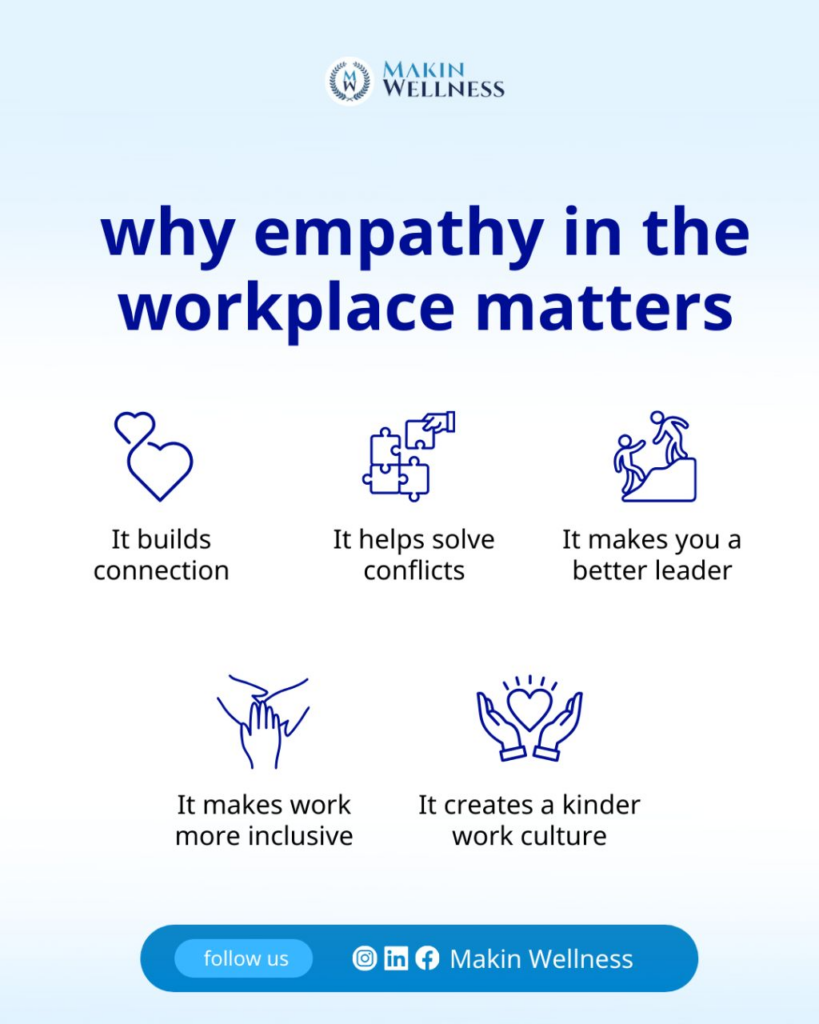
Empathy, kindness, and social connection are key expressions of the opposite of apathy. When you practice empathy, you stay emotionally present with yourself and others. When you choose kindness, you engage instead of withdrawing. When you prioritize connection, you create space for support and shared understanding.
Some of the benefits of caring instead of apathy include:
- Taking responsibility for your life
- Creating beautiful change.
- Experiencing a connection with yourself and others.
- Forming meaningful relationships with others
- Increasing your sense of purpose and fulfillment in life
The incredible impact of empathy, kindness, and social connection instead of apathy.
The impact of caring and putting to use the actions of empathy, kindness, and social connection is incredible. Each makes its unique impact on your life.
- Empathy over apathy:
Empathy is an invaluable skill in an increasingly connected world, allowing you to understand the emotions and perspectives of those around you.
Empathy allows you to understand the feelings of others and build meaningful relationships with them. This can help reduce stress and anxiety by increasing your sense of belonging and fostering mutual trust.
- Kindness over apathy:
Kindness helps you to build a society based on trust, respect, and understanding that encourages collaboration and friendship.
Kindness is an integral part of creating a just and compassionate society. Being kind to those around you demonstrates your respect for them and encourages collaboration rather than competition. This helps you to foster relationships based on trust and mutual understanding, leading to stronger connections and healthier communities.
- Social Connection over apathy:
Social connection helps you to foster meaningful relationships with others that provide support during challenging times and help fuel personal growth.
Social connection is also essential for your mental health. Having strong relationships with family, friends, and even strangers can help you to reduce stress levels, boost moods, and create an environment of support during hard times.
To sum it up, empathy, kindness, and social connection are essential components of a thriving society that benefit your mental health and relationships. Caring is an action of love that has the power to transform your life and community in profound ways.

How you can overcome apathy and reconnect with what matters
Now that you have a better grasp on what apathy is, why you experience it, and its adverse effects in your life, you may be wondering what you can do about it.
Here are some practical tips and strategies for overcoming your apathy and cultivating a caring mindset:
- Reach out and connect: Take time to reach out to your friends, family, or mentors willing to listen and offer support when needed. Even if it’s just a short conversation over the phone or a quick chat, connecting with people can help break the cycle of apathy. Connecting with others isn’t just for when bad times hit. Make happy memories when life is good, too.
- Get creative: Sometimes, expressing your feelings or knowing what they are is hard. Using creative activities helps your mind sort through the noise to pinpoint what is happening inside you. Challenge yourself by engaging in creative activities like drawing, writing, or music. Expressing yourself through art can be a powerful way to reconnect with yourself and explore new ideas.
- Exercise: Regular physical activity has been proven to boost your mood and reduce feelings of apathy. Get moving by engaging in an activity you enjoy, such as walking, dancing, or playing sports.
- Set goals and systems: Setting small, achievable goals for yourself can help you to stay motivated and focused on the best aspects of life. If setting too many goals is a source of stress for you, create daily systems to automate progress, as this can free up brain space and energy for other things. Remember to celebrate your successes, no matter how small they are!
- Appreciate what’s around you: Take a break from your stress by taking time to appreciate nature’s beauty or what you have in your life. Finding gratitude and awe for your life and everything around you can significantly impact your mindset.
These are just a few ways to help you to break the cycle of apathy and start feeling more energized and motivated.
By acknowledging your feelings and connecting with yourself and those around you, you can create meaningful relationships that help you grow and develop into your best self.
When you start caring again, you open the door to new possibilities and a better future.
Move past apathy and choose connection again
Apathy is a normal reaction to traumatic events, significant change or loss, and some physical and mental health conditions. Although it can be a protective coping mechanism, staying in a state of apathy for too long can adversely affect your life and the world around you.
By understanding your root causes for apathy and utilizing our tips for overcoming it, you can learn to feel safe engaging in emotions and connection again. By expressing empathy and kindness and connecting socially with others, you can create healthy relationships and a sense of fulfillment.
When online therapy with a specialized online therapist can help
If you suffer from a medical or mental health disorder, check with your doctor or online therapist to see if your condition may be causing your apathy. The strategies and course of action may change based on your specific root cause.
If you still need to figure out why you experience apathy and feel it may be too challenging to tackle alone, call us or make an appointment today. Together, you and your online therapist can figure out your root causes and create a plan for overcoming your sense of apathy.
You can overcome what holds you back from your best life. Take the first step to freedom today.
Additional clinical review provided by Allison Ho MSW,LSW, Licensed Social Worker at Makin Wellness.







This Post Has 2 Comments
I’ve seen this firsthand through my cousin, who battled apathy following a significant life setback. Initially, it was heart-wrenching to witness his disengagement from activities he once loved and his withdrawal from family and friends. However, through therapy that emphasized empathy, kindness, and social connection, he began to rediscover his sense of purpose. The therapists encouraged family involvement, fostering an environment of unconditional support and understanding. Slowly but surely, my cousin started to re-engage with life, finding joy in small interactions and drawing strength from the unwavering empathy shown by those around him. This experience underscored the profound impact that genuine human connection and compassion can have on overcoming the shadows of apathy.
I wholeheartedly agree. Difficult times can cause our bodies to withdraw from activities you once loved in order to handle what you have experienced. The power of person-to-person connection is incredible. Thank you for sharing your experience, Rye. Happy to hear your cousin is improving.