
Anxious avoidant attachment, also called disorganized attachment, is a relationship pattern in which you long for close connection yet also feel afraid of it. You may want intimacy and support, yet find yourself pulling away when relationships become emotionally vulnerable. This attachment style often develops from inconsistent, frightening, or unpredictable caregiving experiences during childhood. The encouraging news is that attachment styles are learned, meaning they can change over time. With greater self-awareness and support from a qualified online therapist, many people learn to build more secure, trusting, and fulfilling relationships.
Do you deeply desire close relationships while also finding yourself pulling away from friends and loved ones when the connection starts to get more personal? You could have developed an anxious avoidant attachment style. Let us walk you through what that is, how it starts, and ways to develop a healthier relational style.
There are four attachment styles, which include:
- Secure attachment
- Anxious attachment
- Avoidant attachment
- Anxious avoidant (disorganized) attachment
What is anxious avoidant attachment?
Anxious avoidant attachment, also called disorganized attachment, is an insecure attachment style where you want close relationships although you also fear emotional intimacy. It commonly develops from inconsistent, frightening, or unpredictable caregiving during childhood and may lead to a cycle of seeking closeness before pulling away. The good news is that attachment styles can change through self-awareness and therapy.
How is anxious avoidant attachment created?
Anxious avoidant attachment, also known as disorganized attachment, is a way of relating to others that is characterized by fear of close relationships and struggling to trust the people in your life. As the name suggests, you may often begin to feel anxious when someone is getting to know you well, which can lead you to pull back from (avoid) that person, even though you want to connect with others.
Attachments begin in childhood and are set in motion by the relationships you had with the first and primary caregivers in your life. A secure attachment can allow you to trust others. On the other hand, anxious avoidant attachment comes from having those caregivers provide unpredictably – or not at all – for your physical or emotional needs.
Anxious avoidant attachment is a learned relationship pattern, not a permanent personality trait
While anxious avoidant attachment often develops from inconsistent or frightening childhood caregiving experiences, healthier attachment patterns can be developed over time with self-awareness and online therapeutic support.

What are 9 signs of anxious avoidant attachment?
If you or someone you know is experiencing some of these signs/symptoms, it could indicate an anxious avoidant attachment style:
1. Fearing intimacy
You may get nervous or fearful when someone tries to connect with you on a deeper level. Being uncomfortable with a closer connection can cause you to pull back from the relationship. This is commonly rooted in trauma from early life experiences.
2. Giving mixed signals
Due to your anxiety about developing a deeper relationship with people, you may have a tendency to reach out and then pull back in that relationship. This can leave the other person confused about whether you want a connection with them.
Therapists often hear clients describe this pattern in ways that surprise them. Someone might say, “I couldn’t wait for them to text me, and when they finally did, I ignored the message for hours.” Others describe making plans with excitement, then wanting to cancel as soon as the day arrives. This push-pull dynamic is one of the most recognizable signs of anxious avoidant attachment because the desire for connection and the fear of vulnerability happen at the same time.
3. Struggling to trust others
When people you have trusted – especially those who should have been there for you from a young age – have let you down, it can be challenging to trust anyone. The fear of having another person let you down can lead to self-isolation to keep it from happening again.
4. Preferring independence over interdependence
Doing things for yourself rather than allowing others to help you will likely make you feel safer if you have an anxious avoidant attachment. You may believe that taking care of your own needs keeps you from being disappointed by others.
5. Having a history of short-term relationships
When you review your past relationships, you may notice that you tend to end friendships or romantic relationships quickly once they begin to move toward a deeper connection.

6. Creating emotional distance from close relationships
It is not hard to see that, with an anxious avoidant attachment style, you may feel it’s necessary to keep a safe emotional distance from others to protect yourself. When it comes to relationships, your focus could be more on not allowing yourself to be hurt again than on creating a connection with the other person.
This can be confusing because you may genuinely care about someone. You might find yourself asking, “Why am I pulling away when this relationship is going well?” When experiencing anxious avoidant attachment, creating distance isn’t a sign that you don’t care – it’s an automatic way of protecting yourself from the possibility of being hurt.
Many therapists notice that clients rarely create emotional distance because they don’t care. Instead, they often withdraw when a relationship begins to feel meaningful. One common realization in therapy is that creating distance may bring temporary relief from anxiety, and it also prevents the closeness they truly want.
7. Feeling overwhelmed by genuine love and affection
It might be that in a relationship where you are truly loved and accepted, you could feel overwhelmed. This unsettling feeling can occur because you may not have felt this type of acceptance before, and you probably don’t know how to process those emotions.
8. Increasing anxiety over deepening relationships
You might feel increased anxiety when your relationships shift from a superficial to even a little deeper level. If you’re in a relationship that you would like to continue, consider making an appointment with an online therapist to work through this anxiety.
Many people describe feeling excited about a relationship one day and overwhelmed the next. If you’ve ever thought, “Why do I panic when someone gets too close?” it may not mean you’re with the wrong person. Instead, your attachment system could be interpreting emotional closeness as something unsafe, even when the relationship is healthy.
9. Focusing more on autonomy than partnership
An additional sign of anxious avoidant attachment is a tendency to make decisions on your own rather than consulting with your partner. This can create tension in the relationship since you are not focusing on taking your significant other’s views and opinions into consideration.
In addition to the signs listed above, you may also struggle with symptoms of an anxiety disorder such as, generalized anxiety disorder, social anxiety disorder, or panic disorder. It is not unusual for this to show up with attachment disorders and can be addressed with an online therapist.

What are some fundamental fears of anxious avoidant attachment?
It is important to understand that, at its root, anxiety is a kind of fear. Some of the fears that you might struggle with if you have anxious avoidant attachment include the fear of:
- Losing your independence
You may want to avoid situations where you have to be dependent on others in serious matters, given that in past experiences, others did not always have your best interests at heart. You simply don’t want to be hurt again.
- Not being loved or accepted for who you are
This fear is based on not being loved for just being you when you were a child. It could lead you to try to be everything you think the other person wants you to be, hold onto unhealthy coping mechanisms, or believe that you don’t deserve to be loved at all.
- Abandonment
Since the anxious avoidant attachment style is based on either physical or emotional (and sometimes both) abandonment, fearing that it could happen again is understandable. You might try to keep the relationship going at a shallow level, or end it before giving the other person a chance.
How does anxious avoidant attachment show up in relationships?
Often, a cycle of getting close, then withdrawing, is evident in the relationships of someone who has an anxious avoidant attachment. This can put a lot of wear and tear on the relationship.
This internal conflict may often leave you wondering, “Can I love someone and still be afraid of commitment?” The answer is yes. Many people with anxious avoidant attachment deeply want lasting relationships and struggle with the vulnerability and trust that healthy intimacy requires.
Many therapists notice that when you struggle with anxious avoidant attachment, you may often believe you’re protecting yourself when you withdraw, and later feel lonely and wonder why relationships never seem to last.
For instance, a lack of communication is common during the pull-back phase of this cycle, which only increases the tension in the relationship.
Ultimately, this internal conflict of wanting and fearing intimacy can result in a rise in additional tension and anxiety, leading to a desire to end the relationship to ease the tension.
The good thing about attachment styles is that since they are learned, you can also unlearn them. There are changes you can make to improve both your current and future relationships. You will need to address the root issues that created the anxious avoidant attachment, and meeting with an online therapist for avoidant attachment is a great way to start.
What online therapists notice about anxious avoidant attachments
In therapy, people with anxious avoidant attachment often worry that something is fundamentally wrong with them. They may describe ending healthy relationships, second-guessing partners who treat them well, or feeling trapped when someone becomes emotionally available. These experiences are common and don’t mean you’re incapable of having a healthy, lasting relationship – they often reflect an attachment pattern that can be understood and changed.
One pattern that online therapists often notice is that individuals who struggle with anxious avoidant attachment can feel as if they are broken and could never have a long-term relationship.
The truth is that your desire to make deeper connections can be met. At times, it may require pushing through the anxiety and allowing yourself to lower the walls you’ve built to keep your heart safe. An online therapist would be happy to walk you through removing those barriers a little at a time.
How can you grow from anxious avoidant attachment to a secure attachment?
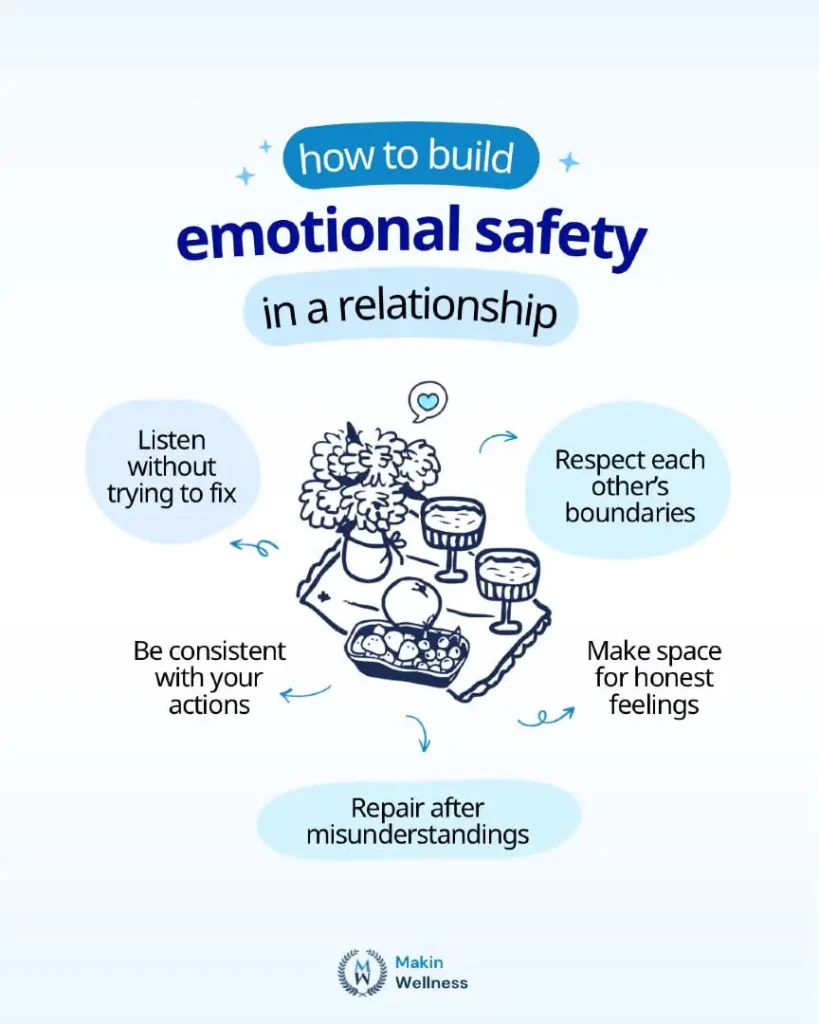
An online therapist specializing in avoidant attachment could help you define your attachment style and support your growth. It will likely include examining how your childhood experiences have shaped who you are and whether you have an anxious avoidant attachment style.
Individual online therapy may use both cognitive behavioral therapy (CBT) and eye movement desensitization and reprocessing (EMDR) as tools to move beyond the hurt you experienced as a child. What’s more, an online therapist for avoidant attachment may be able to provide you with a safe relationship where you finally feel like you can trust someone enough to learn how to be vulnerable.
If you are currently in a relationship that you want to improve, you may want to consider couples therapy online for avoidant attachment. This would give each of you an opportunity to share some of the challenges in your relationship and have a neutral party guide you toward practical solutions. Couples online therapy can be used to work through day-to-day issues, as well as bigger relationship issues.
An online couples therapist may use a variety of exercises designed to increase trust between you. Many of the exercises may also improve communication, which can be challenging for someone with anxious avoidant attachment. They might use exercises such as:
- Blind guide
The blind guide exercise has your partner blindfolded while you provide verbal commands to guide them through a room, obstacle course, or other unfamiliar location. This tests both your ability to communicate and their ability to listen. After you both participate in each role, you can discuss your experiences with your online therapist to determine what you each do well and where you could improve.
- Active listening
Active listening can help you and your loved one learn how to truly hear each other. It involves allowing one of you to share while the other listens, then summarizes what was shared. Then you switch back and forth, listening and sharing. As you listen to your partner, you may have clarifying questions that assist you in understanding each other better. This can help to break the cycle of listening only to respond with your next point.
- 60-second hug
The 60-second hug can provide big benefits for both people. A long hug could increase trust between two people, among other benefits. Hugs are known to increase serotonin levels; those increased levels can heighten protective instincts, reduce fear, and strengthen relational bonds. You don’t have to start with 60 seconds in order for hugs to be beneficial; you can begin with a few seconds and work your way up.
- Gratitude journal about your partner
Another way to increase trust through communication is to use a gratitude journal. This is done by listing what you are thankful for about your loved one every day. Then you both set aside time to tell him or her specifically what you have appreciated about them for the past week or month. You can choose how often you meet.
Take a step toward healthier relationships with Makin Wellness
If you suspect that you may have an anxious avoidant attachment style, Makin Wellness provides compassionate online therapy both for individuals and couples. We are here to walk with you as you learn about your attachment style and make choices to improve your relationships.
Online therapy provides a trusted, open space to:
- Learn how to connect with others in a healthier way;
- Practice evidence-based techniques to overcome your past experiences, like CBT and EMDR, with professional guidance;
- Find your attachment style; and
- Set goals that reflect your values.
You don’t need to continue without deep connections with others. Your Makin Wellness online therapist is here to help with your anxious avoidant attachment when you’re ready.
If you are unsure whether online therapy is right for you, your online therapist for avoidant attachment can help answer any questions you have about attachment styles.
Call us at (833)-274-heal or click here to schedule an appointment for online couples therapy if you and your partner would like to talk through differences in your attachment styles and how to improve the way you communicate and relate to one another.
Or if you’d prefer, you can schedule a one-on-one online therapy session to explore the roots of your anxious avoidant attachment style to improve self-awareness and work towards relationship goals.
Additional reading
Frequently Asked Questions
Anxious avoidant attachment, also called disorganized attachment, is an insecure attachment style where you deeply desire close relationships but also fear emotional intimacy. It commonly develops from inconsistent, frightening, or unpredictable caregiving during childhood, and leads to a cycle of seeking closeness then pulling away.
If you’ve ever wondered, “Why do I pull away from someone I actually like?” or “Why do I panic when a relationship starts becoming serious?” you’re not alone. These are common questions people ask when they’re experiencing anxious avoidant attachment. The desire for closeness and the fear of vulnerability can exist at the same time, creating an exhausting push-pull cycle in relationships.
This attachment style is one of four recognized patterns (secure, anxious, avoidant, and anxious avoidant). Unlike purely anxious or purely avoidant styles, anxious avoidant attachment combines both drives simultaneously, creating an internal tug-of-war between wanting connection and feeling unsafe within it. The good news is that attachment styles are learned patterns, not permanent personality traits, and can change through self-awareness and therapy.
Anxious avoidant attachment is caused by inconsistent, frightening, or unpredictable caregiving experiences during childhood. When primary caregivers provide for your physical or emotional needs unpredictably, or not at all, it creates a pattern of fearing the people you also need for connection and safety.
Because your earliest relationships taught you that the people you depend on can also be a source of fear or neglect, you learn to simultaneously crave and distrust closeness. This isn’t a conscious choice; it’s a survival response that becomes a relational blueprint carried into adult friendships, romantic partnerships, and even workplace interactions.
Common signs of anxious avoidant attachment include fearing intimacy, giving mixed signals in relationships, struggling to trust others, preferring independence over interdependence, having a history of short-term relationships, creating emotional distance, feeling overwhelmed by genuine love, experiencing increased anxiety as relationships deepen, and focusing on autonomy rather than partnership.
These signs often show up as a repeating cycle: you reach out to connect, then pull back once vulnerability increases. Partners and friends may feel confused by the hot-and-cold dynamic. Many people with this attachment style also experience accompanying anxiety disorders such as generalized anxiety disorder, social anxiety, or panic disorder.
Yes, anxious avoidant attachment can change. Because attachment styles are learned relationship patterns rather than permanent personality traits, you can develop a more secure attachment over time through self-awareness, intentional relationship work, and support from a qualified therapist.
Therapeutic approaches like cognitive behavioral therapy (CBT) and eye movement desensitization and reprocessing (EMDR) are evidence-based tools that help process childhood experiences driving the pattern. An online therapist can also provide a safe relationship where you practice vulnerability and build trust gradually, essentially rewiring your relational blueprint.
Anxious avoidant attachment creates a cycle of getting close then withdrawing in relationships. This pattern leads to communication breakdowns during pull-back phases, increased tension, confusion for partners, and often a desire to end the relationship to relieve internal conflict between wanting and fearing intimacy.
The push-pull dynamic puts significant strain on both romantic and non-romantic relationships. Partners may feel rejected during withdrawal phases, which can trigger their own attachment insecurities. Over time, this cycle can result in a history of short-term relationships and reinforce the belief that lasting connection isn’t possible, even though your desire for it remains strong.