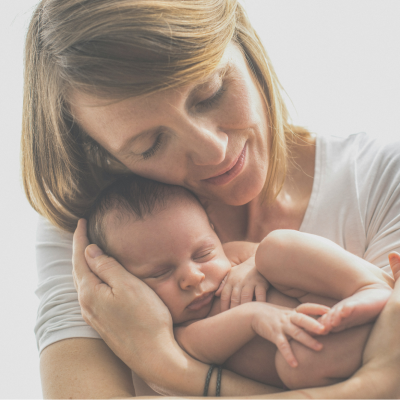
Attachment styles in relationships are patterns of emotional connection that influence how you experience trust, intimacy, vulnerability, and emotional safety with other people. These patterns often begin in your earliest relationships and can continue shaping your romantic relationships, friendships, family dynamics, and parenting. They explain why different people react differently to the same relationship situation, and may influence how safe you feel with closeness, conflict, trust, and emotional vulnerability. The good news is that attachment styles are learned, not permanent. Through self-awareness, supportive relationships, and intentional growth, you can move toward greater security and healthier connections.
Imagine sitting on a park bench on a warm summer evening.
A young woman sits nearby, glancing at her phone every few minutes. She wonders why the person she cares about has not responded to her text. Stress escalates as she fixates on why her phone won’t buzz.
Across the playground, a mother watches her child climb a little higher on the jungle gym. She wonders if she should stand closer so he feels supported or if he needs more space to grow well.
At first glance, these situations seem completely different.
In reality, the folks you see at the park may be asking the same question:
Can I trust that this relationship is safe?
That question sits at the heart of attachment theory.
Whether you are trying to understand your dating life, strengthen your marriage, support your child, or make sense of your own emotional patterns, understanding attachment styles in relationships can offer valuable insight into how you connect with others and how you can continue to grow.
What to Expect in This Article:
- Attachment styles in relationships are patterns that influence how you experience trust, intimacy, and emotional safety.
- Relationship attachment styles often develop through your early caregiving experiences.
- The four primary attachment styles are secure, anxious, avoidant, and disorganized.
- Attachment styles can influence your romantic relationships, friendships, family dynamics, and parenting.
- Secure attachment is not built through perfect moments. You build it through repeated moments of connection.
- Neuroplasticity allows attachment patterns to change throughout your life.
- Healthy relationships and online therapy can help you move toward greater security.
What Are Attachment Styles in Relationships?
From the very beginning of life, your brain is paying attention to relationships.
Long before you understand words, your nervous system is learning important lessons:
- Are people available when I need them?
- Can I count on others for support?
- What happens when I am upset?
- Is it safe to ask for comfort?
- Can my relationships be trusted?
The way in which the people in your life answered these questions helped to form your attachment style. In the words of some of the first sociologists to research this, it forms the way in which you become “attached” to the people around you.
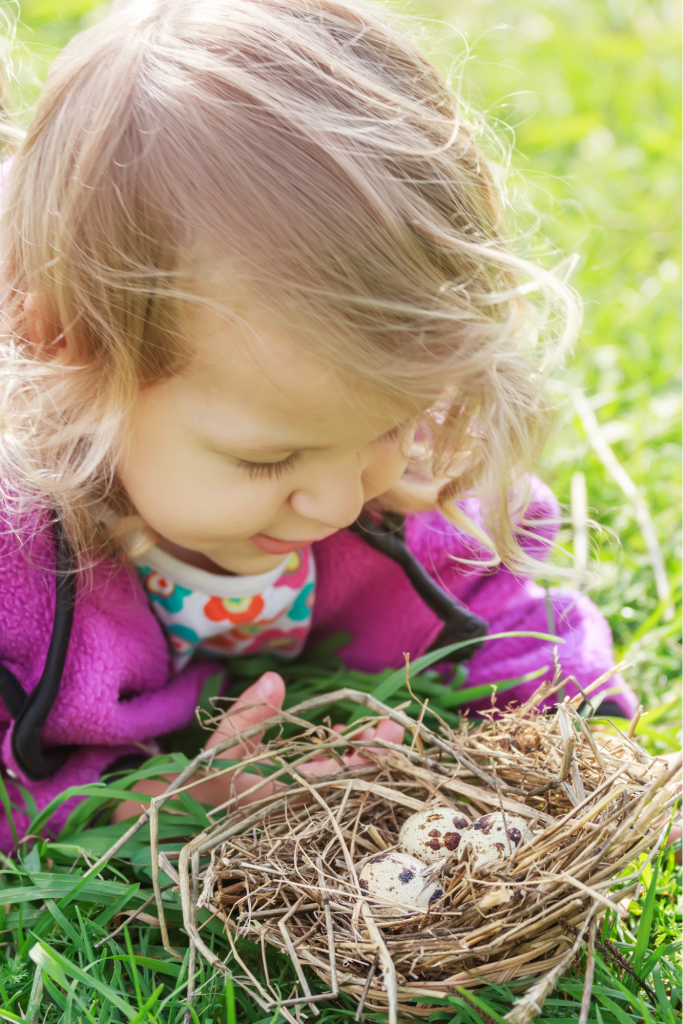
It can be helpful to think about attachment as a nest.
A healthy nest is not a place where a child stays forever. It is a place where you can return, where you can feel known, supported, safe, and loved. The nest is where you can rest before exploring the world again.
The same principle applies to healthy adult relationships in your life. A secure relationship is not a relationship without conflict, disappointment, or stress. It is a relationship where connection remains available.
It becomes a safe place for you to land.
Where Do Relationship Attachment Styles Come From?
Your relationship attachment styles often begin developing through early interactions with caregivers.
When caregivers are generally responsive and emotionally available, children often develop secure attachment. On the other hand, when your connection feels inconsistent, unavailable, frightening, or unpredictable, different attachment patterns may develop.
If you’re a mama, you may start to feel nervous. You often see moms who worry about how their children’s attachment is developing.
You wonder if you should have picked up the baby who was crying earlier, if it was okay to go back to work when they did, or if going out on a date even though their little one had a rough day is still alright.
Whether you’re a mama trying to figure out how to help your little one to form healthy attachments or you’re trying to figure out how to form healthier relationships in your own life, this article is for you.
The Three Building Blocks of a Secure Nest
If attachment is about creating a safe place to land, what can actually help you to create that safety?
While all of your relationships are unique, secure attachment often grows through three simple practices.
Presence
Presence means showing up.
Biologically, babies are wired to receive presence from their mothers through nursing. They experience comfort while having their need to eat met. Babies who are bottle-fed still receive this by being held by a caregiver.
This is where the practice of presence can start to form strong attachment for a little one.
For a child, presence may look like sitting on the floor together and building a blanket fort.
For a romantic partner, presence may look like making eye contact during a challenging conversation instead of mentally checking out.
Presence communicates:
“You matter, I’m here, and you’re not alone.”
Repair
Every relationship experiences moments of disconnection.
Parents lose patience. Partners misunderstand each other. Friends disappoint one another.
The goal is not to avoid every mistake. It’s to reconnect.
Repair may sound like:
- “I’m sorry.”
- “I wish I had handled that differently.”
- “Help me understand how you felt.”
One of the most important lessons children can learn is that healthy relationships can recover from tension.
Consistency
Trust grows through repeated experiences.
That means your attachment is often shaped through patterns rather than isolated moments.
Think of it this way: a friend who promises you that she’ll always be there for you and extravagantly cares for you in some way one day, and then won’t even take the time to answer a text two months later isn’t someone that you can fully trust.
So, when a baby is learning how to attach, the goal isn’t perfection and extravagance. The goal is repeated, consistent care through daily life. This creates an emotional environment where people generally know what to expect, helping the baby to feel safe and attached.
Together, presence, repair, and consistency create the foundation of a secure nest.
They support healthy romantic relationships. They support healthy parenting. They support healthy friendships.
And perhaps most importantly, you can intentionally practice them no matter which attachment style you currently identify with.
You do not build secure attachment through perfect moments. You build it through repeated moments of connection.

Quick Comparison of Relationship Attachment Styles
How Can I Tell Which Attachment Style I Have?
You may recognize parts of yourself in more than one attachment style, and that’s completely normal. Many people notice that their relationship attachment styles vary depending on the person or situation. For example, you may feel secure with close friends but experience anxious attachment in romantic relationships.
Instead of asking, “Which attachment style am I?” it can be more helpful to ask, “What patterns show up most often when I feel emotionally vulnerable?”
You may notice signs like these:
- Secure attachment: You generally trust others, communicate your needs openly, and believe relationships can recover after conflict.
- Anxious attachment style in relationships: You often worry about being abandoned, overanalyze changes in communication, or seek frequent reassurance.
- Avoidant attachment style in relationships: You value independence, feel uncomfortable relying on others, or pull away when relationships become emotionally intense.
- Disorganized attachment style in relationships: You want closeness but also fear getting hurt, creating a push-pull pattern in your relationships.
Most people are not a perfect match for just one attachment style. Your experiences, relationships, and personal growth can all influence how your attachment patterns show up over time.
If you’re unsure which attachment style best describes your experiences, working with an online therapist can help you better understand your relationship patterns and develop greater emotional security.
Anxious Attachment Style in Relationships
An anxious attachment style in relationships often develops when your connection feels inconsistent.
Perhaps you had a volatile parent who would become angry or withdrawn for days at a time, only to try to make it up to you for a while. You knew that it wouldn’t last and grew used to the cycle even though you always quietly hoped that things would change.
When support was so sporadic, your nervous system may have learned to stay alert for signs of disconnection: you may become highly attuned to changes in people’s moods, behaviors, or communication patterns.
This sensitivity often develops for a reason. Your brain is trying to protect you.
What Anxious Attachment Often Believes
If you have an anxious attachment style in relationships, you may find yourself thinking:
- What if they leave?
- What if they stop loving me?
- What if I am too much?
- What if I am not enough?
- What if something is wrong?
Underneath these worries is often a deep desire for connection. You want to be known, loved, and to feel safe, and so you also have learned to put the other person’s volatility above your own needs. This ultimately defeats your ability to connect well with others.
You May Notice This in Romantic Relationships
An anxious attachment style in relationships may show up as:
- Overanalyzing text messages.
- Worrying when communication changes.
- Seeking frequent reassurance.
- Feeling distressed when your partner needs space.
- Assuming conflict means your relationship is in danger.
You may genuinely care deeply about the people you love.
At the same time, your caring may become strangled as caring gets tangled up with fear.
This is more common than you might think: many women describe feeling emotionally exhausted because they spend so much energy trying to determine whether a relationship is okay.
What Online Therapists Notice
One pattern online therapists often notice is that people with anxious attachment frequently assume that their emotional intensity is the issue.
In reality, the issue is often fear rather than feeling.
There is nothing wrong with wanting connection. The challenge comes when fear begins driving your behavior. When fear takes over, you may seek reassurance that never feels quite sufficient. You may look for certainty that relationships simply cannot provide.
Understanding this distinction can be an important step toward growth.
How to Move Toward Secure Attachment
If you recognize yourself in an anxious attachment style, remember that awareness is the first step toward growth.
You do not need to eliminate every fear overnight. You do need to recognize that your nest needs a little TLC as you start to build it back up.
Here are some ways to help to build up your ‘nest’ if you find that it has ‘holes’ from an anxious attachment style:
- Communicating your needs clearly.
- Building relationships with trustworthy people.
- Learning healthy emotional regulation skills.
- Challenging assumptions about abandonment.
- Practicing self-compassion.
- Allowing reassurance to support your growth rather than acting as the sole source of your emotional security.
Over time, these experiences can help your nervous system learn that it is possible for connection to be stable, supportive, and safe.
Avoidant Attachment Style in Relationships
An avoidant attachment style in relationships often develops when your emotional needs are minimized, dismissed, or unsupported.
You may have learned early that needing others felt unsafe, inconvenient, or disappointing. Over time, your nervous system may have absorbed a quiet message:
“I am safest when I rely on myself.”
That belief may have helped you move through earlier seasons of life, allowing you to become independent, capable, and self-contained.
At the same time, the same independence that once protected you may begin creating distance in relationships where closeness is actually possible.
What Avoidant Attachment Often Believes
If you have an avoidant attachment style in relationships, you may find yourself thinking:
- I do not need anyone.
- Emotions create complications.
- I should handle this on my own.
- Vulnerability is risky.
- If someone gets too close, I might lose myself.
- Independence keeps me safe.
You may be used to handling things privately, sorting through emotions internally, and creating space when relationships feel intense.
You May Notice This in Romantic Relationships
If you are used to avoidant attachment, it does not mean you do not care.
Often, it means that closeness activates discomfort.
You may love someone deeply and still feel an urge to retreat when emotional needs feel too intense. That retreat may confuse your partner. It may also confuse you.
What Online Therapists Notice
A pattern online therapists often notice with avoidant attachment is that emotional distance can be mistaken for emotional strength.
You may have been praised for being independent and mature since you were a child. Previous partners may have complimented you for being so considerate and low-maintenance.
Those qualities may have helped you function well and even achieve above average in many areas of life. At the same time, being low-maintenance is not the same as being emotionally supported.
You were not made to carry everything alone or be the only anchor in a relationship.
In online therapy, many clients begin to realize that their independence was not only a personality trait. Sometimes, it was a form of protection.
That realization can open the door to healthier connection.
How to Move Toward Secure Attachment

Growth does not require giving up your independence. Instead, it often involves expanding your comfort with connection.
You might begin ‘building up your nest’ by:
- Sharing your emotions with trusted people.
- Practicing vulnerability in small ways.
- Accepting support when it is offered.
- Remaining engaged during challenging conversations.
- Naming when you need space instead of disappearing emotionally.
- Recognizing that healthy relationships can support your independence rather than threaten it.
As new experiences accumulate, your brain can learn that closeness and safety can exist together.
A secure nest gives you space to fly. At the same time, people who are used to flying get to discover that it also gives you somewhere to return.
Healthy connection does not erase your independence. It gives your independence a safer place to grow from.
Disorganized Attachment Style in Relationships
A disorganized attachment style in relationships often develops when connection feels both comforting and frightening.
You may want closeness deeply. At the same time, closeness may feel unsafe.
This can create an exhausting push-pull pattern inside you.
Part of you may long to be known. Another part may brace for hurt.
What Disorganized Attachment Often Believes
If you experience a disorganized attachment style, you may find yourself feeling:
- I want connection and I am afraid of connection.
- I want people close and I am afraid they will hurt me.
- I do not want to be abandoned and I do not know if I can trust closeness.
Many clients are surprised to learn that both experiences can exist at the same time. It often means your nervous system learned mixed messages about safety during your childhood.
When a person or environment feels unpredictable, your brain may struggle to know whether to move closer or protect itself.
You May Notice This in Romantic Relationships
Disorganized attachment can show up in your romantic relationships as:
- Push-pull relationship patterns.
- Intense fear of abandonment.
- Fear of intimacy.
- Emotional unpredictability.
- Struggling to trust your partner’s intentions.
- Wanting reassurance, then feeling suspicious of it.
- Feeling drawn to closeness, then overwhelmed by it.
This can be incredibly frustrating and confusing for you because you want very much to feel loved and safe, and at the same time find it frightening.
What Online Therapists Notice
Online therapists often notice that people with disorganized attachment may carry a lot of shame about their relationship patterns.
You may begin to internalize painful thoughts like these:
“I’m too complicated.” “I ruin relationships.” “I don’t know how to love normally.”
Here’s the good news: disorganized attachment is not a sign that you are incapable of healthy connection.
It is a sign that your nervous system has been trying to protect you from pain. That protection may have made sense at one time. Now, you may be ready to build a new nest.
How to Move Toward Secure Attachment
If you identify with a disorganized attachment style in relationships, growth often begins with fostering greater emotional safety.
Even though your progress may feel gradual, it is possible to build a safe nest by:
- Understanding your trauma responses.
- Practicing self-compassion.
- Developing relationships with consistent and trustworthy people.
- Learning to recognize your emotional triggers.
- Building routines that help your body feel grounded.
- Working with a specialized online therapist.
You are capable of developing relationships that feel more stable, predictable, and secure. Your nest may not have felt safe before. Even so, a safer nest can be built, one experience of trust at a time.
What About Secure Attachment?

After reading about anxious, avoidant, and disorganized attachment, you may be wondering:
“What does secure attachment actually look like?”
You might assume that having a secure attachment style means never feeling insecure. You might also assume it means always knowing exactly what to do in relationships.
Neither is true.
Secure attachment is not the absence of challenges. It is your ability to navigate challenges while maintaining connection. Challenging experiences in a secure relationship do not automatically threaten your entire relationship.
People with secure attachment often believe:
- I am worthy of love.
- My needs matter.
- Other people can generally be trusted.
- Healthy relationships can survive conflict.
- Connection and independence can coexist.
Those beliefs create a foundation of emotional safety.
What Secure Attachment Often Looks Like in Romantic Relationships
In a romantic relationship, secure attachment often means you can enjoy closeness without losing your sense of self.
You may still need reassurance occasionally. You may still have disagreements. You may still have moments when you feel hurt, frustrated, or misunderstood.
The difference is that these challenges do not automatically feel like evidence that your relationship is falling apart.
Instead, you can typically:
- Communicate openly.
- Trust your partner’s intentions.
- Navigate conflict respectfully.
- Maintain healthy boundaries.
- Express vulnerability.
- Support both connection and independence.
One of the most beautiful aspects of secure attachment is that it creates room for both people to grow. A secure relationship does not trap you. It supports you.
What Online Therapists Notice About Secure Relationships
One thing online therapists often notice is that secure relationships are not necessarily easier – they are stronger at repairing.
You might imagine that healthy couples never argue. In reality, healthy couples still misunderstand one another. You still have different perspectives. You still make mistakes.
The difference is that you return to the relationship instead of abandoning it emotionally. You repair. You reconnect. You continue building trust.
In many ways, secure attachment is less about avoiding conflict and more about learning how to move through it together.
How Relationship Attachment Styles Influence Parenting
If you are a parent, learning about attachment styles can feel overwhelming, especially if you yourself are working through how other people’s choices impacted the way that you attach to others.
We have noticed that the parents who worry most about attachment care deeply about building strong relationships with their children.
Here’s an important insight: Children do not need flawless caregivers. They benefit from caregivers who are generally responsive, emotionally available, and willing to reconnect after moments of disconnection.
Life is messy. You can experience everything from divorce, to moves, to illness, to financial stress, busyness, burnout, and unexpected challenges – all opportunities for disconnection. And yet secure attachment is still possible: it does not require a perfect life.
That is because healthy attachment is built through repeated moments of connection. Children do not need ideal parents or the ideal situation. They need parents who continue showing up.
This isn’t just wishful thinking. Attachment research reinforces this surprisingly hopeful idea: secure attachment is often built through ordinary and repeated moments, not perfection.
Can You Help Your Child to Develop Secure Attachment?

As a parent, you might fear that attachment is fragile.
You worry that a mistake, a challenging season, a divorce, a move, or a period of stress could permanently harm your child.
One of the most common misconceptions about attachment is that your children need constant attention.
What your kids often need most is confidence that connection remains available.
They need a nest.
A place where they feel:
- Known.
- Loved.
- Encouraged.
- Supported.
- Safe.
A nest does not prevent your little ones from exploring the world; it gives them confidence to explore it.
That means the goal is not to keep your child close forever. The goal is helping them develop the security to spread their wings while knowing they have a safe place to return.
Moments such as:
- Reading together before bed.
- Listening when your child is excited about something.
- Comforting them when they are upset.
- Apologizing when you make a mistake.
- Laughing together.
- Sharing meals.
- Taking walks.
- Creating routines.
- Being emotionally present.
These moments may seem small.
They are not.
They are the building materials of the nest. Be present, be ready to repair, and be consistent. Every new moment of connection creates another opportunity to strengthen your nest.
What Online Therapists Notice About Attachment Styles
One of the most common misconceptions you might bring into online therapy is the belief that all attachment styles are fixed.
Many clients arrive believing they have been assigned a permanent label. These beliefs can feel discouraging. You may wonder if you’re destined to always self-sabotage your own relationships because of how you were treated as a child.
In practice, online therapists often notice something very different.
You are rarely struggling because of a label.
You are often struggling because you learned ways of protecting yourself that made sense earlier in life. These patterns often began as attempts to adapt. The encouraging news is that your adaptation can continue.
Can Attachment Styles Change?
This may be the most important question in the entire article.
Yes. Your attachment style can change.
Research suggests that your attachment patterns can become more secure over time through supportive relationships, intentional growth, self-awareness, and online therapy.
Your attachment style is your brain’s best attempt to protect you – not a prediction of how you’ll love forever.
One reason involves something called neuroplasticity.
What Is Neuroplasticity?
Neuroplasticity refers to your brain’s ability to adapt and form new pathways throughout life.
For many years, people believed that the brain became relatively fixed after childhood. Researchers now understand something much more encouraging: your brain continues learning throughout your life.
This means the same brain that learned initial attachment patterns can also learn new ones.
Why Neuroplasticity Matters for Relationships
Your nervous system learned about relationships through experience.
It learned:
- What to expect from other people.
- How safe vulnerability feels.
- Whether connection can be trusted.
- How to respond to conflict.
- How to respond to distance.
Those lessons matter. At the same time, they are not the end of the story.
Every healthy relationship teaches your nervous system something new. Every trustworthy friendship teaches your nervous system something new. Every time your partner follows through on a promise, your brain receives new information.
This is one reason hope matters so much.
A challenging childhood does not automatically determine the rest of your life.
You can develop greater security through healthy friendships, supportive romantic relationships, mentoring relationships, parenting experiences, and online therapy.
In fact, if you are in a committed relationship, there are even ways to process trauma together as you both learn to overcome painful attachment patterns.
Your brain remains capable of learning throughout life –it is never too late to start building a safer, happier nest.
Your Attachment Style Is Part of Your Story, Not the End of It
Imagine returning to that summer park.
The young woman waiting for a text message is still learning what safety feels like. She puts the phone down and feels the sun on her face.
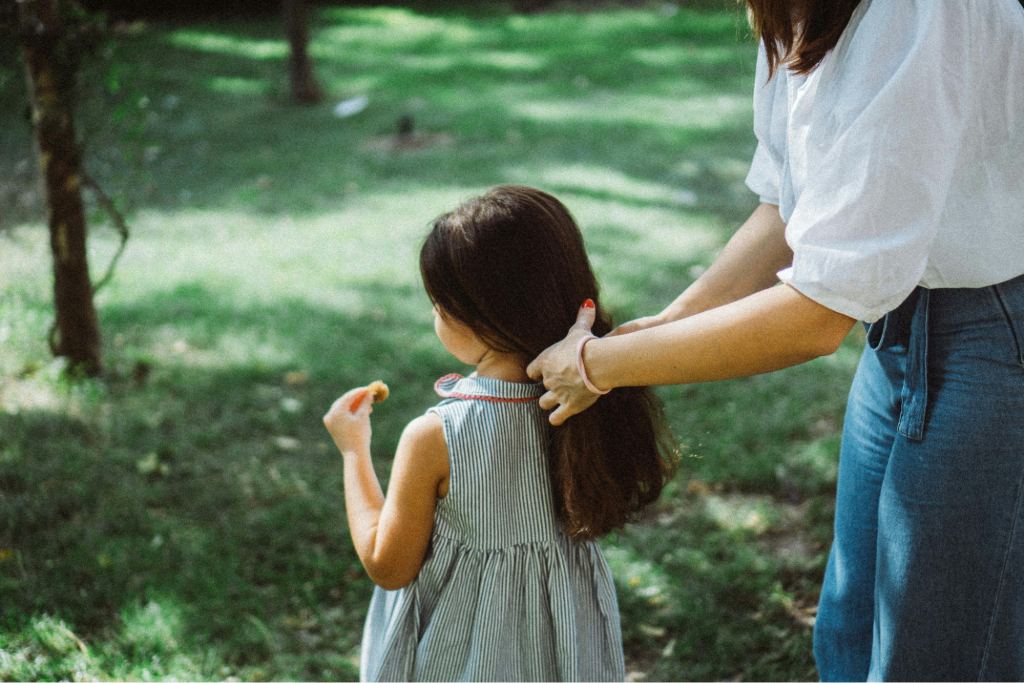
The mother watching her child on the playground takes a deep breath, remembering that her little one knows that he is loved.
Some days, the nest feels strong. Some days, it feels unfinished. Most nests are built one twig at a time.
Your relationships often grow the same way: one conversation, one apology, one act of trust.
The attachment patterns that you learned as a child are not fixed. The nest can always be rebuilt, stronger and safer.
When Online Therapy Can Help
If attachment patterns are affecting your relationships, working with an online therapist can help you better understand where those patterns come from and how to create healthier ways of connecting.
You weren’t meant to repair your nest all alone.
If you or your partner are noticing recurring conflict, misunderstandings, or differences in attachment styles, couples-focused online therapy can provide a supportive environment to strengthen your communication and connection.
If you want to explore the roots of your attachment style, increase self-awareness, and work toward personal relationship goals, individual online therapy can help you move forward with clarity and confidence.
At Makin Wellness, you can connect with a specialized online therapist who will support you in building healthier, more secure relationships.
Further Reading:
- What Is Retroactive Jealousy? 4 Direct Ways To Conquer It
- Identities And Identity Formation: 6 Emerging Breakthroughs
- 5 Types of Relationship Dynamics and 11 Effective Ways To Improve Them
- How To Overcome Symptoms Of Childhood Trauma In 2026 – Makin Wellness
- From Trauma to Healing: How Online Therapy Supports Narcissistic Abuse Recovery
Frequently Asked Questions About Attachment Styles in Relationships
Attachment styles in relationships are patterns of emotional connection that influence how you experience trust, intimacy, vulnerability, and emotional safety. These patterns often begin in your childhood and can continue affecting your adult relationships.
The four primary attachment styles are secure attachment, anxious attachment, avoidant attachment, and disorganized attachment. Each style influences how you approach closeness, communication, trust, and emotional connection.
Yes. Research suggests that your attachment style can become more secure through supportive relationships, self-awareness, intentional practice, and online therapy. Neuroplasticity allows your brain to form new patterns throughout life.
Secure attachment is generally considered the healthiest attachment style because it supports trust, healthy communication, emotional regulation, and balanced independence. At the same time, people who grow up with insecure attachment styles can develop greater security over time.
Attachment styles can influence how you communicate, handle conflict, express emotions, respond to intimacy, and navigate trust. Understanding your attachment style can help you develop healthier relationship patterns.
Attachment styles can influence how you respond to your child’s emotional needs, provide comfort, encourage independence, and build emotional safety. Secure attachment grows through presence, repair, and consistency rather than ideal parenting.
Yes. Trauma can influence your attachment styles in relationships, especially if it affects your sense of safety, trust, or emotional connection. The encouraging news is that attachment styles are not permanent. Through supportive relationships, intentional healing, neuroplasticity, and online therapy, many people develop more secure attachment patterns over time. Healing does not erase the past, but it can help you build healthier relationships moving forward.
There is no single combination of attachment styles in relationships that guarantees success or failure. Healthy relationships depend more on communication, emotional safety, and a willingness to grow than on attachment labels. Even couples with anxious attachment, avoidant attachment, or disorganized attachment can build secure relationships when both partners are committed to understanding each other’s needs and repairing conflict.
Yes. Relationship attachment styles influence more than romantic relationships. They can also affect friendships by shaping how comfortable you feel asking for support, trusting others, setting boundaries, and handling conflict. Building secure attachment can strengthen emotional connection in every type of relationship.
Yes. Attachment styles in relationships can also influence professional relationships. For example, someone with an anxious attachment style may worry about criticism or rejection, while someone with an avoidant attachment style may hesitate to ask for help or collaborate closely with coworkers. Developing greater self-awareness can improve communication, teamwork, and confidence in the workplace.
Yes. Attachment styles often influence how married couples communicate, handle conflict, express affection, and respond to emotional needs. Understanding your own attachment style – and your partner’s – can help reduce misunderstandings and strengthen emotional intimacy. Many couples find that online therapy helps them develop healthier communication patterns and move toward greater security together.