
A University of Michigan study concluded that men and women share similar emotional highs and lows, meaning that, scientifically speaking, guys are just as emotional as women.
So if you are wondering, ‘How do guys feel when their girlfriend cries?’, the answer is pretty straightforward: much the same as the reverse situation – at least internally. Despite this research, the myth of the universal “emotionally unavailable guy” persists in wider culture. Why is that?
Specifically, if men do in fact experience similar emotions to women, why do men struggle to talk about their feelings – to externalize what is going on inside? The reasons involve a mix of societal expectations, cultural norms, and personal fears.
If you’ve ever found yourself bottling up your emotions or feeling like you can’t express what’s happening inside, you’re not alone. Many other men are in the same boat, and this silence can lead to a host of mental and emotional challenges.
Understanding why men don’t talk about their feelings is the first step towards breaking the stigma and finding healthier ways to cope with life’s difficulties.
This article will debunk the myth of the emotionally unavailable guy, explain why it is pivotal to talk about how you feel for optimal mental health, and cover how to cope with the many emotions that may arise in your daily life.

How do guys feel when their girlfriend cries? What does it mean to be an emotional guy in a healthy way?
It’s no secret that men often struggle to express their emotions. What is less well-known is that men have complex emotions in the first place, and that, with some help and practice, you can learn how to regulate and share your emotions in a healthy way.
Why is that?
There are several key compounding factors that reinforce the myth of the universal ‘emotionally unavailable guy;’ each one contributes to the broader issue of emotional silence among men. Let’s explore some of the main reasons why men don’t talk about their feelings and how this can impact your mental health.
1. Societal expectations and masculinity
Many men are taught from a young age that showing emotions is a sign of weakness. Phrases like “man up” or “boys don’t cry” reinforce the idea that being a man means being tough and stoic, while being labelled an ‘emotional guy’ is antithetical to being a ‘real man.’
These societal expectations make it challenging for men to feel comfortable discussing their feelings. Instead of expressing vulnerability, you might hide your emotions, believing this is what it means to be strong and masculine.
2. Fear of being judged
Another significant reason you might not talk about your feelings is your fear of being judged. In a society where men are often expected to be providers and protectors, showing emotion can feel like a failure to meet those expectations.
This fear of judgment can lead you to keep your feelings to yourself, fearing that you could be seen as less capable or weaker than other men around you.
This fear of social exclusion is a powerful motivating force for any human, male or female, and could be especially influential in your younger adult years. When your brain is developing, and you are trying to work out your place in the world, it’s perfectly natural to seek out belonging by copying others’ behavior.
If you know you will be judged by other men for sharing your feelings, why would you share in the first place? Nobody enjoys being excluded.
3. Shame and guilt
Shame and guilt are powerful emotions that can prevent you from opening up about what you are going through. If you are a guy, admitting you are struggling can feel like admitting you are not good enough.
This sense of inadequacy can be overwhelming, leading to feelings of shame and guilt that further silence you. Rather than reaching out for help, you may internalize your struggles, which can lead to a cycle of negative emotions and worsening mental health.
4. Lack of emotional vocabulary
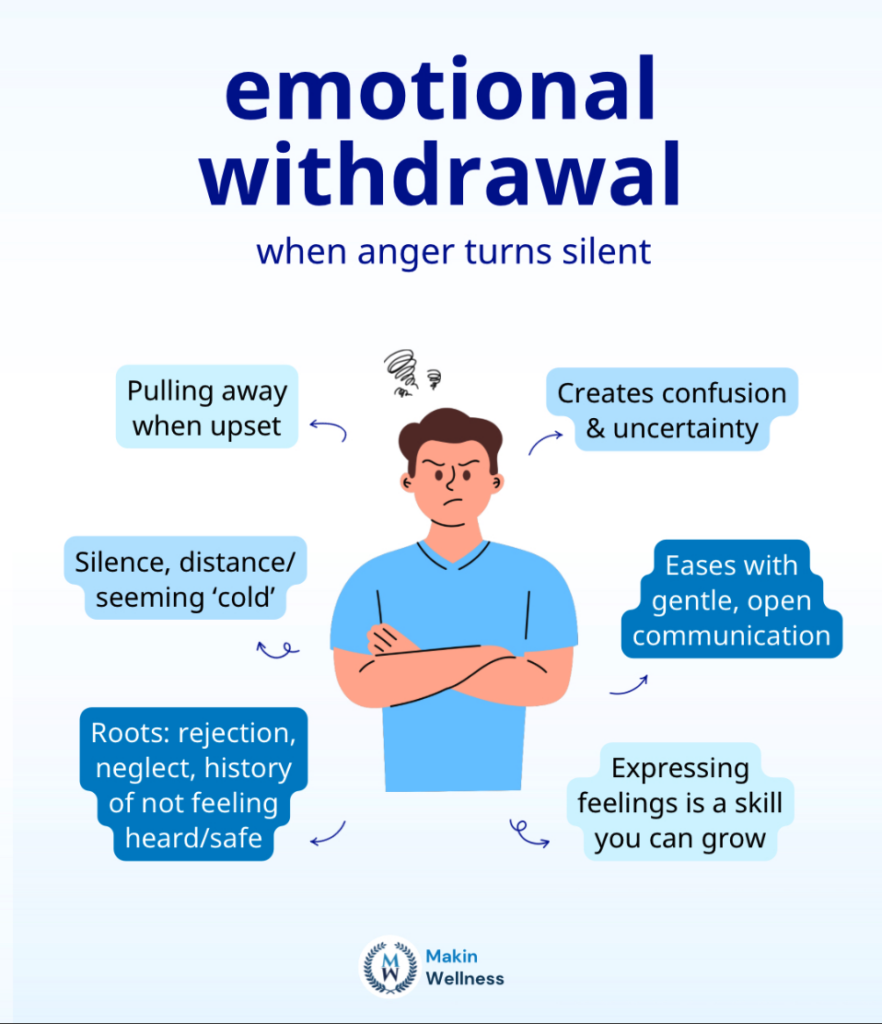
One often overlooked reason men don’t talk about their feelings is that you may not have the words to describe what you are experiencing.
Many men are not taught or encouraged to develop emotional literacy, which means being able to identify and express your emotions. Without the right words, it can be challenging to communicate what’s going on inside, leading to frustration – often externalized as anger or disgust – and a tendency to withdraw rather than open up.
Learning to communicate beyond anger
It’s important to remember that men and women share the same starting point in life. As a baby, toddler, or young child, you have to learn how to speak and express yourself. Your ability to communicate grows as you are socialized.
As girls grow up, they are often given greater freedom to explore and express complex emotions. Many young boys do not experience the same encouragement, and this can stunt your emotional growth. You may believe that the only ‘acceptable’ male emotion is anger, when in reality other emotions are hiding beneath the surface.
The good news is that, for guys as much as girls, you have the same capacity to develop your emotional vocabulary beyond anger, even at an older age. You just need the right support and tools (more on that later).
5. Fear of vulnerability
Vulnerability is a double-edged sword. On one hand, it’s essential for building deep and meaningful connections with others. On the other hand, it requires you to expose parts of yourself that you might prefer to keep hidden.
For many men, the fear of vulnerability outweighs the potential benefits of sharing your feelings. This fear can lead to a reluctance to open up, even to those closest to you.
The importance of talking about your feelings: how to become an emotional guy in a healthy way
Despite the challenges, talking about your feelings is crucial for maintaining good mental health. When you hold your emotions inside, they can build up and become overwhelming, leading to stress, anxiety, and even depression. Expressing how you feel can provide a sense of relief and help you gain perspective on what you’re going through.

The benefits of having a strong support system
Having a strong support system is crucial for coping with challenging times. Here’s why it matters:
- Emotional relief: Sharing your feelings can help lighten your emotional load. It allows you to release pent-up emotions and can provide a sense of relief and clarity.
- Support and understanding: When you talk about what you’re going through, you open the door to support from others. Friends, family, and loved ones can offer empathy, advice, and reassurance, helping you feel less alone in your struggles.
- Improved relationships: Communication is critical to building strong relationships. Opening up about your feelings can deepen your connections with others and foster more meaningful relationships. The deepest relationships often result from sharing and overcoming challenging times. It is proven that having close, deep relationships contributes to your overall level of happiness and a longer lifespan.
- Better problem-solving: Talking about your feelings can help you process your emotions and better understand your situation. This can lead to better decision-making and problem-solving. If you are a verbal processor or find it challenging to detangle thoughts and solutions in your head, talking with others can be hugely beneficial in identifying issues and finding solutions.
Mental and emotional health: Regularly expressing your emotions can improve your overall mental and emotional health. It helps you avoid the buildup of negative emotions and can reduce the risk of mental health issues like anxiety and depression. Reducing stress over time can increase your stress resilience, making it easier to handle future stressors.

How to cope with challenging feelings despite societal pressures
If you’re struggling to express your feelings, you’re not alone. The good news is that there are ways to cope with complicated emotions, even when societal pressures tell you to bottle everything up.
Here are some strategies to help you manage your feelings and start talking about them more openly.
1. Challenge societal norms
The first step in overcoming the pressure to stay silent is to challenge the societal norms that tell you to do so. Recognize that expressing your emotions is a sign of strength, not weakness. It takes courage to be vulnerable and honest about what you’re going through.
It’s okay to need others. Frankly, it is a vital part of the human experience. To deny the need to share your experiences and develop connections with others is to deny your humanity.
2. Build your emotional vocabulary
The societal expectation for men is to take risks and shake off hardships as if they are no big deal. It is true that learning to take risks can be valuable for finding success in life.
On the other hand, denying the growth of emotional intelligence when you are a child for the sake of risk-taking deeply inhibits your ability to communicate with others as an adult. This is not your fault. This is something that needs to change in society.
Take the time to build your emotional vocabulary by learning about different emotions and how to describe them. This can make expressing your feelings easier and communicating more effectively with others.
3. Practice self-compassion
Give yourself permission to feel and express your emotions without judgment. Practicing self-compassion means treating yourself with the same kindness and understanding you would offer a friend.
Remember that feeling vulnerable is okay, and everyone occasionally experiences challenging emotions.
4. Practice empathy
If you came to this page wondering, “How do guys feel when their girlfriend cries?”, you can leverage that curiosity in the form of empathy. One of the best ways to break the myth of the universal emotionally unavailable guy and to develop greater emotional literacy is to start asking questions and mirroring others’ feelings back to them.
So if your girlfriend starts crying, instead of being defensive or reacting in a cold manner, you could ask her to describe how and what she is feeling, taking the time to acknowledge her emotions, and then exploring their impact on your own feelings.
The more you give those close to you space to express their feelings, the more emotionally attuned you can become in your own body, and the more you can develop a supportive community that will listen to and empathize with you when you need them.
5. Find a safe space to talk
If you’re uncomfortable opening up to just anyone, find a safe space to talk about your feelings without fear of judgment. This could be a trusted friend, a family member, or an online therapist.
Having a safe space to express yourself can make a big difference in how comfortable you are with being vulnerable about the things that affect you the most.
6. Seek professional help
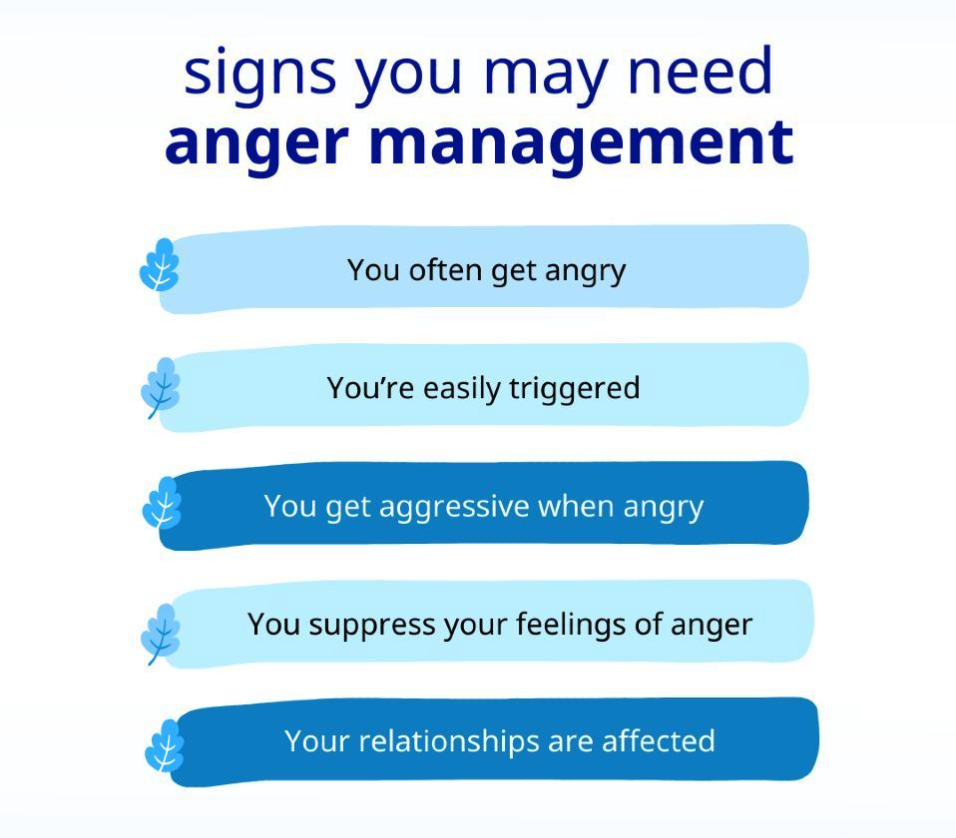
If you struggle to cope with your emotions – and especially if you notice feeling overwhelmingly angry in your life – consider seeking professional help.
Connecting with an online therapist at Makin Wellness can give you the personalized support and guidance you need to better manage your anger and navigate deeper feelings hiding beneath the surface.
Online therapy offers a confidential space to explore your emotions, develop healthy coping strategies, and work through any challenges you’re facing.
Moving beyond the unhelpful binary of men vs women emotions: cultivate healthy emotional growth regardless of your gender
Understanding why men don’t talk about their feelings is your first step toward breaking the stigma. Societal expectations, fear of judgment, and other pressures can make it challenging for you to open up.
Regardless of why you keep your emotions inside, it’s essential to recognize the value of expressing your feelings to solve issues and improve your mental health.
By challenging societal norms, building your emotional vocabulary beyond anger or fear, and seeking support, you can begin to talk about your feelings more openly and improve your mental health.
Are you ready to learn emotional literacy, navigate your emotions, and better connect with the people who are important to you?
Makin Wellness provides the support and guidance you need, including specialized anger management therapy, to express yourself confidently and live a healthier, more fulfilling life.
Call us at (833)-274-heal or click here to make an appointment with one of our online mental health therapists and start the journey toward optimal mental health today.