














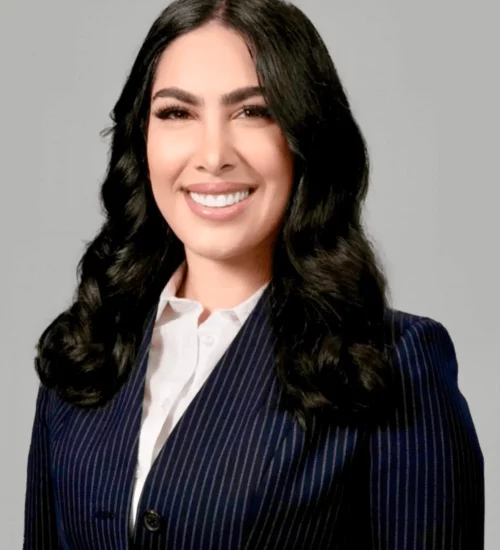
Sara Makin M.S. Ed, LPC, NCC
Founder & CEO

Rahmah Albugami M.S. Ed, LPC, NCC
Clinical Director
Focus areas:
Acceptance & Commitment, Multicultural, and Integration Therapy
Acceptance & Commitment, Multicultural, and Integration Therapy
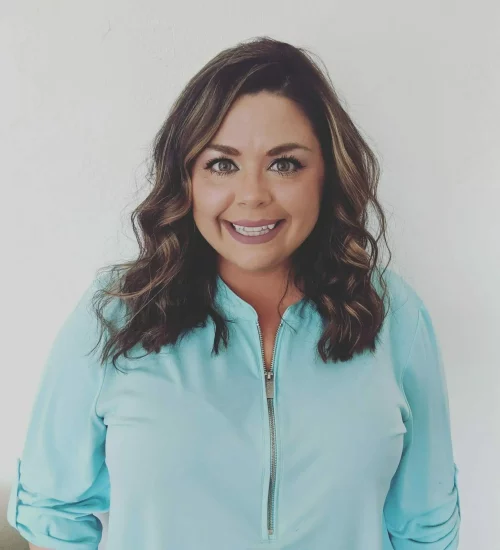
Mariah Cooney LPC
Clinical Supervisor
Focus areas:
Coping Mechanism Behavior, Life Coaching, and Social Anxiety Therapy
Coping Mechanism Behavior, Life Coaching, and Social Anxiety Therapy
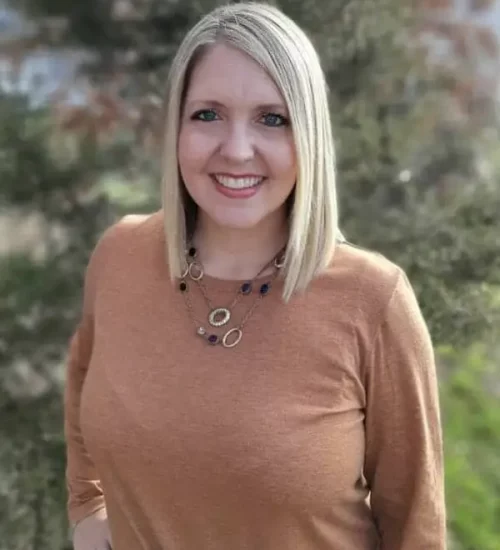
Erin Kilpatrick M.A., LPC, ATR-BC
Licensed Professional Counselor
Focus areas:
Attachment Disorder Therapy, Pediatric ADD/ADHD, Parenting Counseling
Attachment Disorder Therapy, Pediatric ADD/ADHD, Parenting Counseling

Tori Romberger M.A.,LPC, NCC, CCTP
Licensed Professional Counselor
Focus areas:
Bereavement/Grief Counseling, Gambling Addiction Therapy, Porn Addiction Therapy

Tanja Soto M.A., LPC, BCBA
Licensed Professional Counselor
Focus areas:
Autism Spectrum Disorder, Hyperactive Disorder (ADD/ADHD), LGBT Care
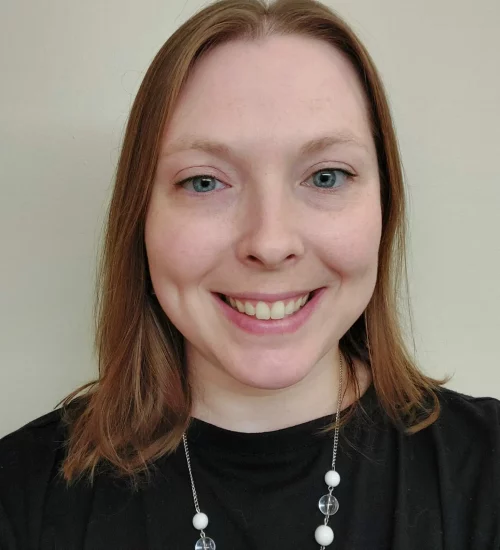
Elizabeth Gilmore LPC
Licensed Professional Counselor
Focus areas:
Childhood Trauma Therapy, Pediatric Anger Management, Pediatric ADD/ADHD
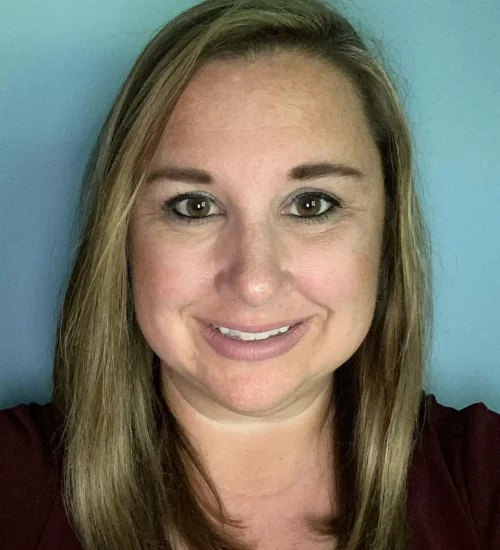
Michelle Wygant LPC
Licensed Professional Counselor
Focus areas:
Parent-Child Interaction Therapy (PCIT), PTSD Counseling, Bipolar Disorder Therapy
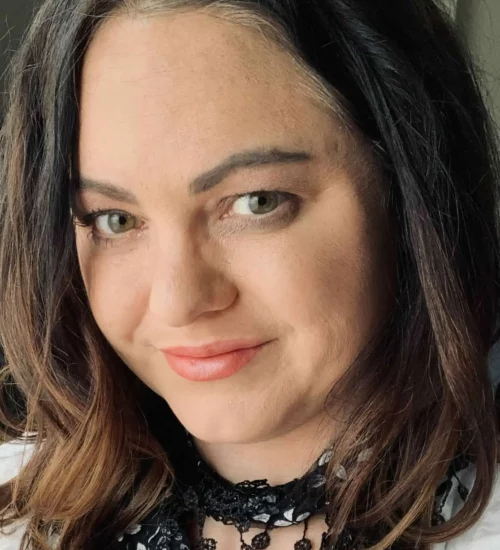
Carolyn Weimer M.S., LPC
Licensed Professional Counselor
Focus areas:
Addiction/ Substance Abuse Therapy, Anger Management, Court Evaluations
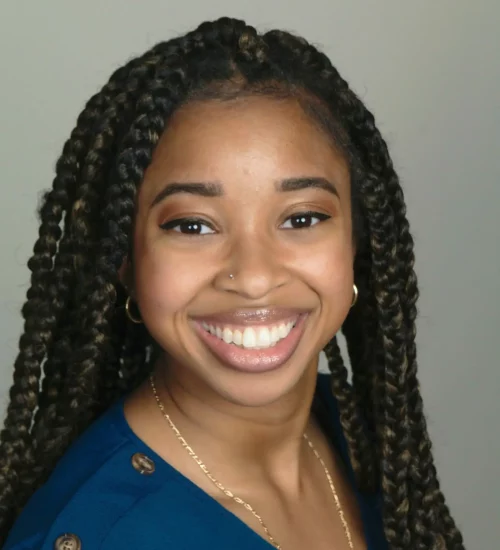
Alonia Slappy M.A., LPC
Licensed Professional Counselor
Focus areas:
BIPOC Mental Health, Cultural Diversity Issues, Emotional Regulation Therapy (ERT)
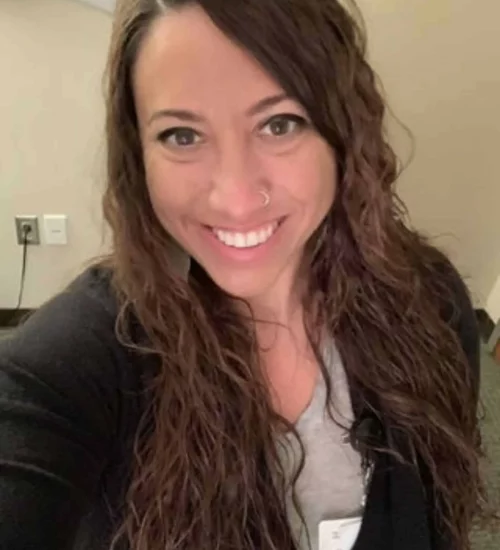
Elizabeth Peduzzi M.A., LPC
Licensed Professional Counselor
Focus areas:
EDMR Therapy, Seasonal Addictive Disorder (SAD), Behavioral Issues Therapy

Alison Grabell LCSW
Licensed Clinical Social Worker
Focus areas:
Adjustment Disorder, Cognitive Behavioral Therapy (CBT), Dialectical Behavioral Therapy

Kristine Frechette LCSW
Licensed Clinical Social Worker
Focus areas:
Bipolar Disorder, Borderline Personality Disorder (BPD), Burnout Therapy
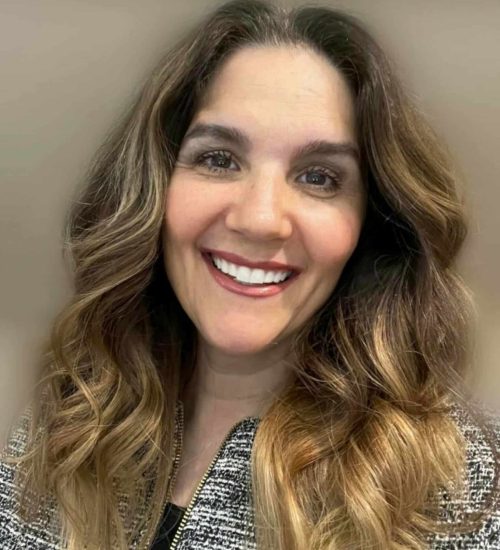
Gabrielle Blawas LSW
Licensed Social Worker
Focus areas:
Eating Disorder Therapy, Life Transition Therapy, Stress Management Therapy
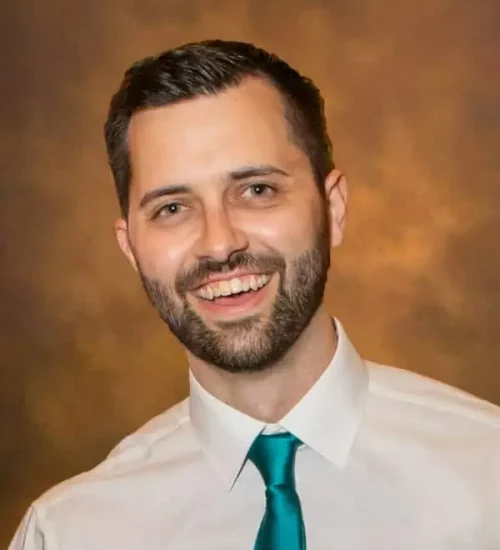
Doug Puchko LPC
Licensed Professional Counselor
Focus areas:
Couples Therapy, Bereavement/Grief Counseling, Autism Spectrum Disorder
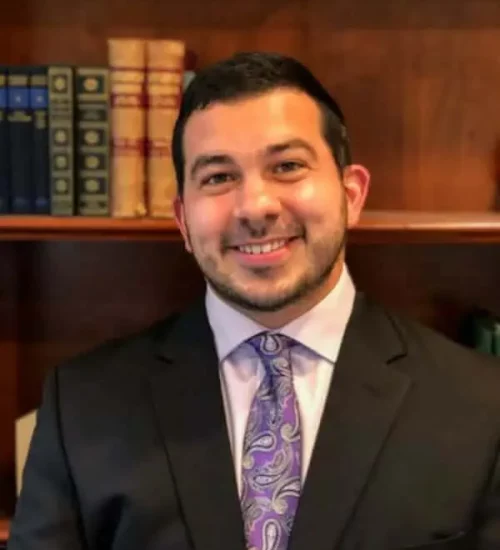
Randy Potter MA, LPC, NCC
Licensed Professional Counselor
Focus areas:
Expressive Arts Therapy, Music Therapy, Body Dysmorphic Disorder Therapy

Maddison Fyffe M.A., LPC
Licensed Professional Counselor
Focus areas:
Bereavement/Grief Counseling, Personal Development Counseling, Gambling Addiction
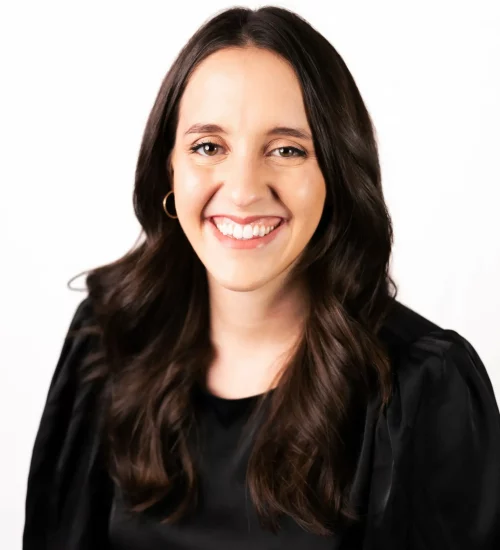
Rachael Dittmar, MS, NCC,LPC
Masters Level Counselor
Focus areas:
Grief, stress, negative self-image
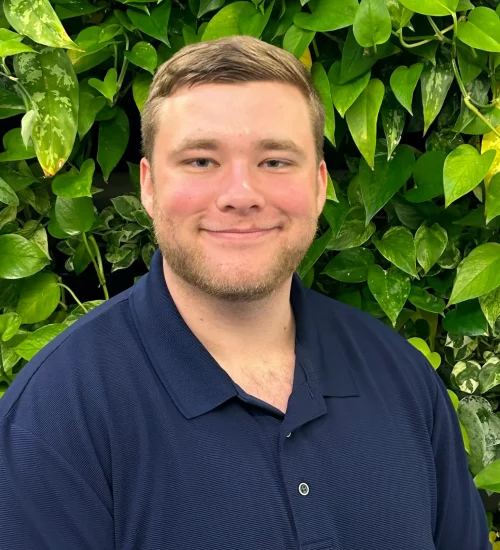
Alexander Noel, BS, LPC
Masters Level Counselor
Focus areas:
ADHD, anxiety, and depression

Rivka Dattlo, MS, LAPC
Therapist associate
Focus areas:
Anxiety, depression, grief

Sean Ramos-Izquierdo, BS,LAPC
Therapist Associate
Focus areas:
Stress Management, Coping Skills, Anxiety, Grief and Trauma
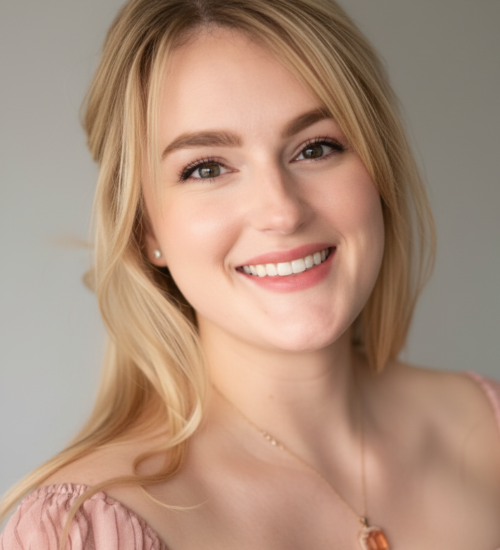
Rachel Cox, BSc
Therapist Associate
Focus areas:
Trauma, Anxiety, Depression, ADHD, Life Transitions
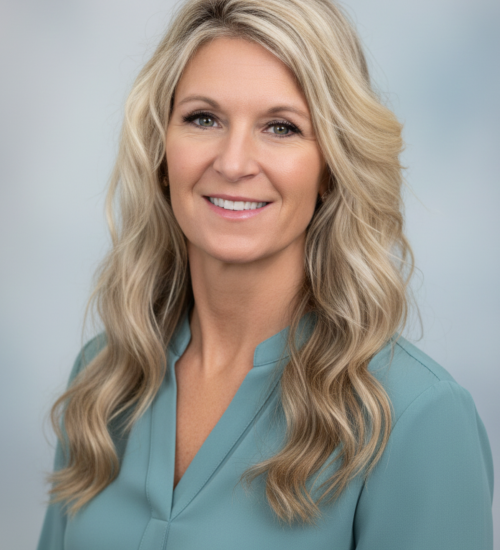
Michele Thomas, MA, CADC, LPC
Licensed Professional Counselor
Focus areas:
Substance Abuse, Anxiety, Self-Esteem

Allison Ho, MSW, LSW
Licensed Social Worker
Focus areas:
Anxiety, Depression, Trauma-informed care, Cultural identity
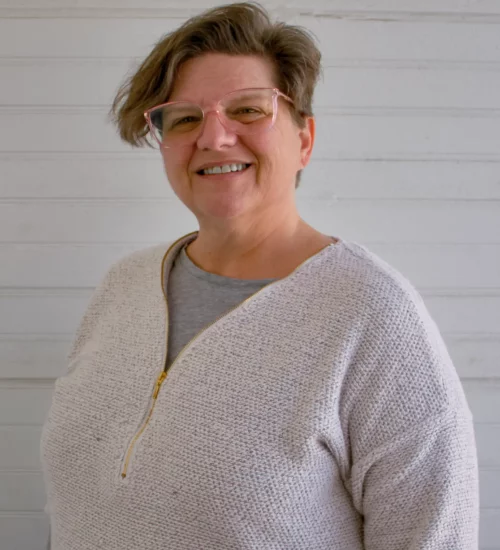
Heidi Woodyard, BS
Therapist Associate
Focus areas:
Couples, Families, Trauma, Juveniles with Problem Sexual Behaviors
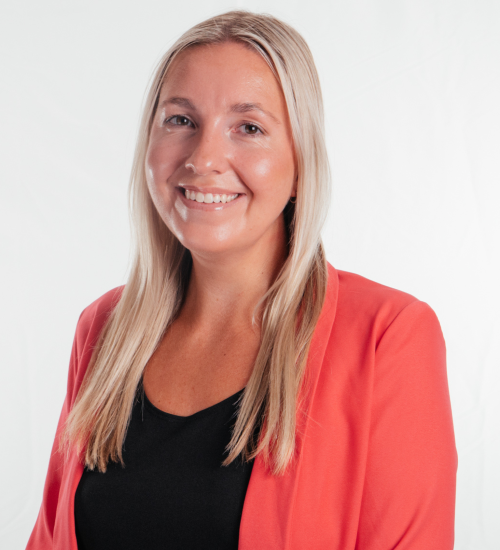
Kathryn Polaski, BA
Therapist Associate
Focus areas:
Anxiety, Depression, Stress
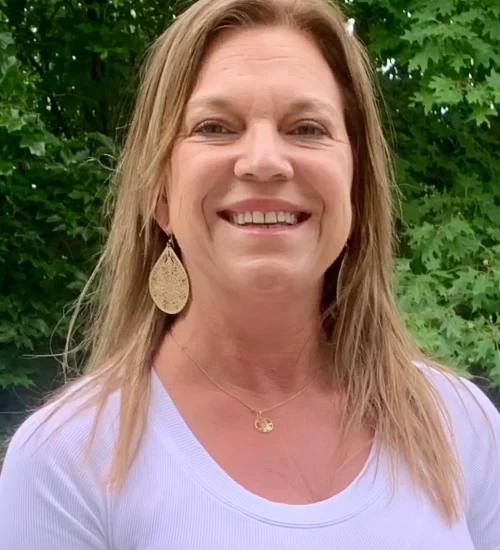
Tammie Miller, MA
Therapist Associate
Focus areas:
Trauma crisis counseling, Anxiety, Depression, PTSD
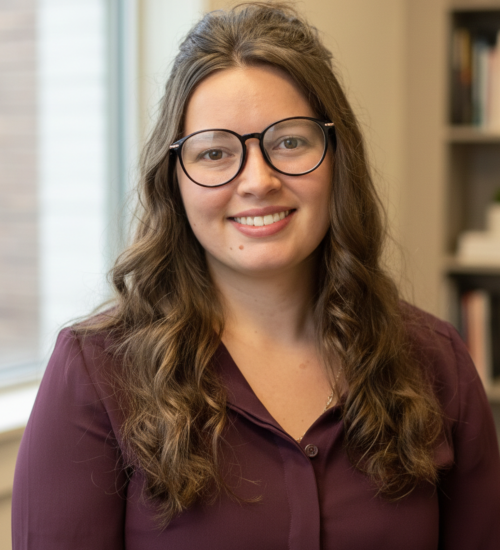
Alexandra Dercole, MA
Therapist Associate
Focus areas:
Relationship patterns, Identity exploration, Trauma-informed care
Sara Makin, M.S. Ed., LPC, NCC
Founder & CEO
Rahmah Albugami, M.S.Ed., LPC, NCC
Clinical Director
Specialties
Acceptance & Commitment, Multicultural, and Integration Therapy
Acceptance & Commitment, Multicultural, and Integration Therapy

Mariah Cooney, LPC
Clinical Supervisor
Specialties
Coping Mechanism Behavior, Life Coaching, and Social Anxiety Therapy
Coping Mechanism Behavior, Life Coaching, and Social Anxiety Therapy
Erin Kilpatrick, M.A., LPC, ATR-BC
Licensed Professional Counselor
Specialties
Attachment Disorder Therapy, Pediatric ADD/ADHD, Parenting Counseling
Attachment Disorder Therapy, Pediatric ADD/ADHD, Parenting Counseling
Tori Romberger, M.A.,LPC, NCC, CCTP
Licensed Professional Counselor
Specialties
Bereavement/Grief Counseling, Gambling Addiction Therapy, Porn Addiction Therapy
Bereavement/Grief Counseling, Gambling Addiction Therapy, Porn Addiction Therapy
Tanja Soto, M.A., LPC, BCBA
Licensed Professional Counselor
Specialties
Autism Spectrum Disorder, Hyperactive Disorder (ADD/ADHD), LGBT Care
Autism Spectrum Disorder, Hyperactive Disorder (ADD/ADHD), LGBT Care
Elizabeth Gilmore, LPC
Licensed Professional Counselor
Specialties
Childhood Trauma Therapy, Pediatric Anger Management, Pediatric ADD/ADHD
Childhood Trauma Therapy, Pediatric Anger Management, Pediatric ADD/ADHD
Michelle Wygant, MA, LPC
Licensed Professional Counselor
Specialties
Parent-Child Interaction Therapy (PCIT), PTSD Counseling, Bipolar Disorder Therapy
Parent-Child Interaction Therapy (PCIT), PTSD Counseling, Bipolar Disorder Therapy
Carolyn Weimer, M.S., LPC
Licensed Professional Counselor
Specialties
Addiction/ Substance Abuse Therapy, Anger Management, Court Evaluations
Addiction/ Substance Abuse Therapy, Anger Management, Court Evaluations
Alonia Slappy, M.A., LPC
Licensed Professional Counselor
Specialties
BIPOC Mental Health, Cultural Diversity Issues, Emotional Regulation Therapy (ERT)
BIPOC Mental Health, Cultural Diversity Issues, Emotional Regulation Therapy (ERT)
Elizabeth Peduzzi, M.A., LPC
Licensed Professional Counselor
Specialties
EDMR Therapy, Seasonal Addictive Disorder (SAD), Behavioral Issues Therapy
EDMR Therapy, Seasonal Addictive Disorder (SAD), Behavioral Issues Therapy
Alison Grabell, LCSW
Licensed Clinical Social Worker
Specialties
Adjustment Disorder, Cognitive Behavioral Therapy (CBT), Dialectical Behavioral Therapy
Adjustment Disorder, Cognitive Behavioral Therapy (CBT), Dialectical Behavioral Therapy
Kristina Frechette, LCSW
Licensed Clinical Social Worker
Specialties
Bipolar Disorder, Borderline Personality Disorder (BPD), Burnout Therapy
Bipolar Disorder, Borderline Personality Disorder (BPD), Burnout Therapy
Gabrielle Blawas, LSW
Licensed Social Worker
Specialties
Eating Disorder Therapy, Life Transition Therapy, Stress Management Therapy
Eating Disorder Therapy, Life Transition Therapy, Stress Management Therapy
Doug Puchko, MSCP, LPC
Licensed Professional Counselor
Specialties
Couples Therapy, Bereavement/Grief Counseling, Autism Spectrum Disorder
Couples Therapy, Bereavement/Grief Counseling, Autism Spectrum Disorder
Randy Potter, M.A., LPC, NCC
Licensed Professional Counselor
Specialties
Expressive Arts Therapy, Music Therapy, Body Dysmorphic Disorder Therapy
Expressive Arts Therapy, Music Therapy, Body Dysmorphic Disorder Therapy
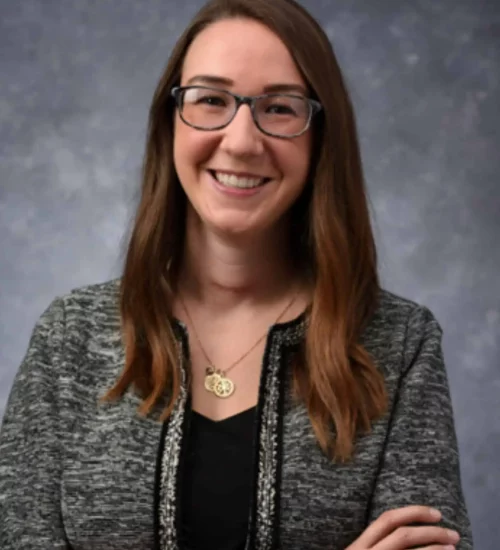
Danielle Turk, M.S., LPC
Licensed Professional Counselor
Specialties
Caregiver Burnout Counseling, Couples Therapy, Gender Affirming Counseling
Caregiver Burnout Counseling, Couples Therapy, Gender Affirming Counseling
Maddison Fyffe, M.A., LPC
Licensed Professional Counselor
Specialties
Bereavement/Grief Counseling, Personal Development Counseling, Gambling Addiction
Bereavement/Grief Counseling, Personal Development Counseling, Gambling Addiction
Rachael Dittmar, MS.,NCC
Masters Level Counselor
Focus areas:
Grief, stress, negative self-image
Grief, stress, negative self-image
Alexander Noel, MS
Masters Level Counselor
Focus areas:
ADHD, anxiety, and depression
ADHD, anxiety, and depression
Rivka Dattlo, MS
Therapist associate
Focus areas:
Anxiety, depression, grief
Anxiety, depression, grief
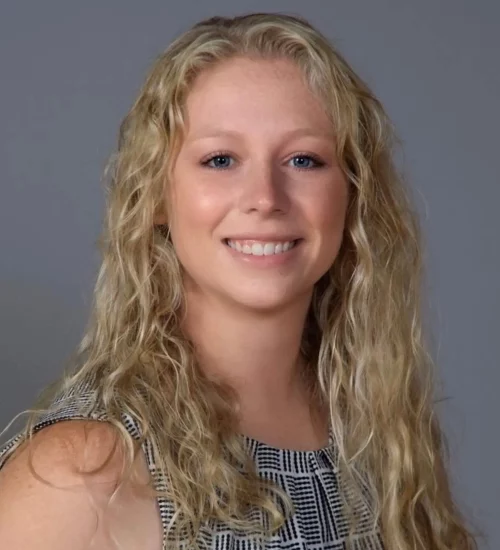
Kaitlyn Bonham, MA
Masters Level Counselor
Focus areas:
Anxiety, Coping Skills, Depression
Anxiety, Coping Skills, Depression

Eliza Watson, BA
Therapist associate
Focus areas:
Grief, adjustment, social anxiety
Grief, adjustment, social anxiety
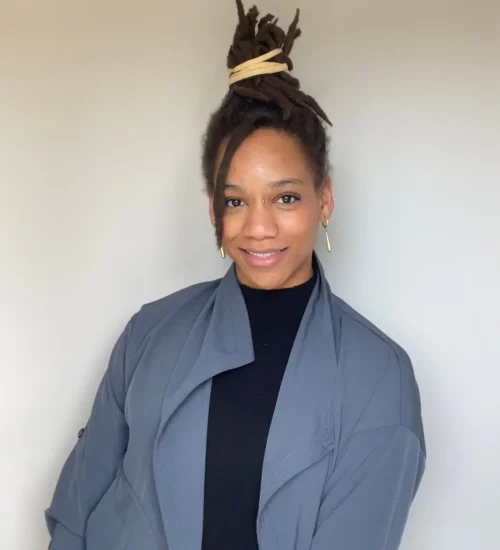
Jenelle Noell, LSW
Licensed Social Worker
Focus areas:
Depression, Anxiety, ADHD, PTSD, autism
Depression, Anxiety, ADHD, PTSD, autism
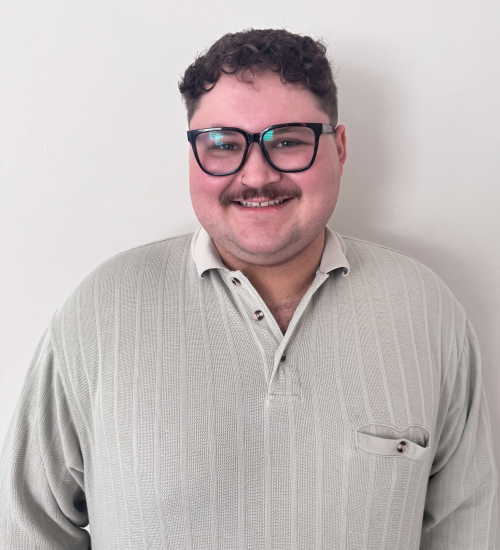
Sean Ramos-Izquierdo, BS
Therapist Associate
Focus areas:
Stress Managment, Coping Skills, Anxiety, Grief and Trauma
Stress Managment, Coping Skills, Anxiety, Grief and Trauma
Heidi Woodyard, BS
Therapist Associate
Focus areas:
Couples, Families, Trauma, Juveniles with Problem Sexual Behaviors
Couples, Families, Trauma, Juveniles with Problem Sexual Behaviors
Tammie Miller, MA
Therapist Associate
Focus areas:
Trauma crisis counseling, Anxiety, Depression, PTSD
Trauma crisis counseling, Anxiety, Depression, PTSD