
Supporting a partner healing from trauma requires empathy, boundaries, and patience. In this guide, you’ll learn 7 practical, therapist-informed ways to help your partner navigate triggers, manage difficult days, and seek professional support – while also protecting your own mental health.
When you commit to a relationship with someone, you both commit to helping each other through life’s physical and emotional burdens. While no romantic partner is required to be a personal counselor, it is healthy to offer support and empathy when your partner is struggling.
With about 70% of adults in the U.S. having experienced some traumatic event, chances are likely that you will find yourself in a relationship with someone who may need to work through some grief and trauma due to harrowing experiences.
If your partner is healing from trauma themselves, it may not be easy to know precisely what they need from you. Trying to work through grief and traumatic events together can be challenging. Yet it is possible and can be a beautiful, healthy experience for each of you.
Regardless of when your partner experienced their trauma, working through it is likely to be a non-linear, lifelong process. There will be ups and downs, good and bad days, which is typical and expected.
This article is here to help you navigate the process of understanding and helping your partner when they’re feeling the effects of their trauma. We will cover seven tips to consider as you help your partner work through their experiences while caring for yourself. Keep reading to learn more.
Does the source of the trauma matter?
Like many people, you may be unfamiliar with the idea of trauma or trauma-related conditions outside of the world of military veterans. It used to be a common (and harmful) misconception that you can only have valid PTSD (Post Traumatic Stress Disorder) or other types of emotional trauma from serving in the military or working in different “dangerous” professions.
In reality, grief and trauma can stem from anywhere. It might start with childhood neglect or abuse, isolation, a violent event, a death in the family, or anything else that could be upsetting or cause a shift in worldview or how you see yourself.
Keep in mind that something that causes low levels of distress for you could be quite traumatic for someone else. Healing from trauma varies from person to person. Not everyone heals from grief and trauma the same way.
The source of the trauma doesn’t matter when it comes to how much support your partner needs. Measuring trauma in terms of the severity of the event is not a helpful metric for knowing how much support to give to your partner.
Each person is different, so talking to your partner and understanding their needs in their own words is crucial to being a supportive partner.
7 ways to be supportive of your partner when healing from trauma

1. Show Empathy
On the topic of measuring trauma, empathy begins with trying to understand that you might not understand why your partner is traumatized. That’s okay, and you don’t have to be able to comprehend their battle to stand with your significant other as they are healing from trauma. Showing empathy is one of the most important ways to support a partner healing from trauma.
Try to avoid diminishing your partner’s experiences, as that can actually lead to further traumatization. Even if it is hard to understand why their experience is so visceral, you could validate how your significant other feels and create a safe space to speak about how they are facing trauma they’ve experienced.
Telling your partner that their experience “wasn’t that bad” or that they should try to “be more upbeat” and move on can cause symptoms to worsen by adding guilt and shame on top of how they already feel. This is referred to as toxic positivity, and it’s invalidating instead of helpful.
When someone is acting out as a result of facing trauma, it can be challenging to know how to react. Educating yourself on grief and trauma – as you are by reading this article – allows you to understand some of the reasons that your partner may act the way they do when triggered.
2. Recognize triggers
While it’s your partner’s responsibility to manage their emotions, you can help by learning what the main triggers are and by helping your significant other avoid events or situations that may upset them when they’re not mentally in a good place.
Additionally, talking with your partner can cue you into what causes them distress as they are healing from trauma. This can also allow you to notice how your partner responds to these triggers first-hand. Knowing how your partner feels might help you create a safer environment for them to express and share their needs.
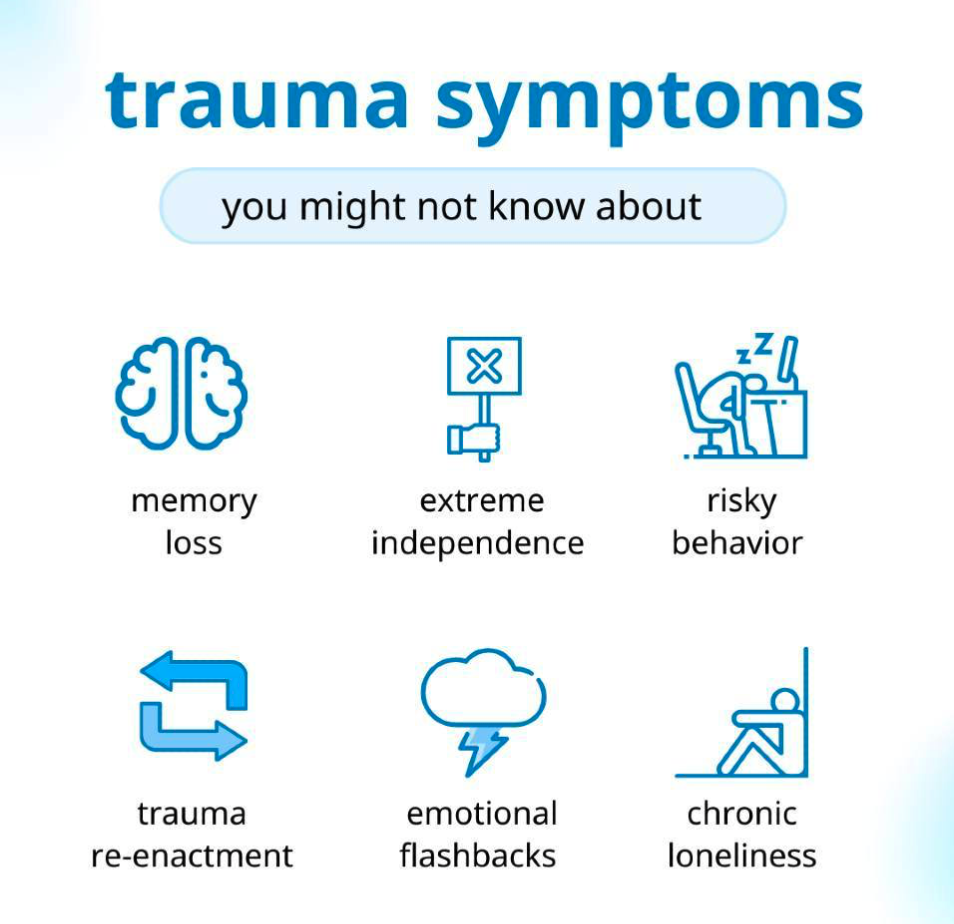
3. Allow room for “bad days”
When you have a partner who’s working through trauma, it is important that you understand that some days will be more challenging than others.
While you should never accept inappropriate treatment from your partner, there are a few things that you can take into account on these “bad days” that might make them more challenging.
1. Bad days can happen for any reason.
There may have been a triggering event, or your partner may have woken up in a more sensitive mood. Sometimes bad days just happen, and that’s normal.
2. Bad days are likely to make your partner more irritable than usual, especially as your significant other is healing from trauma
If they’re being unkind to you, acknowledge their feelings and assert your boundaries. It may be beneficial to offer to give your partner some alone time to provide them with space to process how they feel at that time.
3. Understand that stormy days may mean your partner will not be up to specific tasks or activities.
They may be unable to clean the house or get out of bed. Try to balance these days out by taking care of tasks they would normally do. It’s not your job to make your partner feel better, yet understanding when and why these bad days are happening is helpful when you’re accompanying them on this journey to better mental health.
No matter the reason for the increase in symptoms, meeting your partner with a compassionate and empathic heart may help ease the intensity of feelings and create a safe space for your partner to express their emotions.

4. Engage In Fun Activities
If your partner is up to it, it might be helpful if you engage them in activities that they enjoy when they’re feeling bad. Trauma lives in the back of people’s minds, often nonstop. By engaging in interesting activities, you may create a distraction from troublesome thoughts.
You may also be able to rewire some traumatic thoughts or triggers by associating bad days with fun activities. While a fun day won’t fix your partner, it can provide a bonding experience while facing trauma.
Many people feel isolated by their trauma and worry that it will cause cracks in their relationships. Bonding and having fun together can provide much-needed comfort and relieve some anxiety.
5. Soothe Distress
Engaging in fun activities is one part of soothing distress in your partner. You could implement calming techniques, such as breathing exercises, to guide your partner through their triggers.
Again, it’s not your responsibility to remedy your partner’s trauma or educate them on how to manage it. Nevertheless, by learning a few self-soothing techniques, you show your partner that you’re willing to understand and help when they’re in distress from facing trauma.
Many self-soothing techniques revolve around the idea of mindfulness. Mindfulness is when you connect with the world around you and your senses instead of whatever is going on in your head.
The most popular method of practicing mindfulness is meditation. Because many people can find it a struggle to meditate when distressed, you could start practicing together when your partner is having a good day.
For sudden events, you can encourage your partner to connect with their senses. One popular way of doing this is the “5-4-3-2-1” method.
During the 5-4-3-2-1 method, your partner would try to recognize:
- Five things they can see
- Four things they can feel
- Three things they can hear
- Two things they can smell
- One thing they can taste.
This may ground and help calm them down. Grounding allows you to be in the present moment, not in the past or future, where anxiety and stress often get worse.
It can also be helpful to have sensory objects on hand. Such objects could be as simple as a piece of flavorful gum, headphones so your partner can listen to music, or something more interesting like a squishy toy or keychain they can fiddle with. Let your partner choose something they are comfortable with to bring them to the present moment through their senses.
6. Create your boundaries
It is vital to keep yourself in mind when you’re supporting your partner through grief and trauma. Trauma support can take a toll on your mental health, as well, especially if your partner is prone to lashing out on bad days.
Setting and asserting boundaries (for yourself and your partner) can protect both of you.
Consider your limitations. How much support can you give each day before you burn out? Assessing this lets you recognize when it’s time to step back and take time for yourself. You’re not able to be as supportive of your partner if you’re burnt out.
You also need to know what kind of behavior you’ll accept from your partner. While lashing out during an episode is normal, that doesn’t mean that you have to allow your partner to continuously mistreat you.
Once you define your boundaries, talk to your partner about them. It would also help if you regularly discuss these boundaries with your partner, to give both of you time to get used to talking about and practicing them. It is crucial to share these gently and persistently, especially when there are mental health struggles in play.
7. Encourage professional help
At some point, your partner may benefit from seeking out a mental health professional to help them as they are facing trauma. There’s only so much that you can do or provide, and working with an online therapist might help both of you.
Trauma-related online therapy is complicated, and healing from trauma can take a long time, since trauma recovery is typically a life-long process.
You can’t (and shouldn’t) force your partner to seek out an online therapist even though there are many benefits to doing so. Some people may feel invalidated by that suggestion, especially if they’re having a bad day. Instead, you may want to talk to your partner when they’re not experiencing a trigger to see if they’re comfortable making an appointment with an online mental health professional.
Online mental health professionals can teach your partner coping methods or guide them through past events to help them so they do not feel so triggered. Being the sole support for your partner puts a lot of pressure on you to be precisely what they need. Online therapists are trained in online trauma therapy. It is important to recognize that your help is valuable as well as where your limitations are.
Consider encouraging them to talk with someone who can help them navigate their grief and trauma, through a personalized plan to help them handle triggers and emotions. This could also allow your partner to develop a healthier worldview, despite what they have experienced.

Healing from trauma is more manageable with support
You don’t have to navigate trauma alone. Healing from trauma can be a monumental task. With support from loved ones and a specialized online therapist, it is possible. At Makin Wellness, our online therapists specialize in trauma-informed care and online therapy designed to help you and your partner improve your relationship and mental health in a safe environment.
Remember that your partner is going through something complicated even if you don’t fully understand it. Offer love and support. Also, remember to take care of yourself in the process.
Online therapy through Makin Wellness is a way to stand with your significant other as they are facing trauma. We provide a safe, structured environment to encourage your partner to process their emotions as they are healing from trauma.
Are you or a partner seeking out professional counseling for a trauma-related condition? We want to help you and your partner move forward from trauma. If you are ready to get help to reduce the effects of your trauma symptoms, get started here or call us at (833)-274-heal to get connected with a specialized online trauma therapist who can help.







This Post Has 3 Comments
This article was very helpful. I feel my whole family could benefit from counseling.
Pingback: The Silent Killer: Understanding The Root Causes For Lack Of Communication In Marriage - Marriage&Bliss
“A beautifully written and deeply insightful article that brings hope and understanding to the healing journey from trauma. Truly empowering content that reminds readers healing is possible with patience, support, and self-compassion.”
“Very informative and emotionally comforting read — the way complex trauma experiences are explained feels genuine, supportive, and encouraging for anyone seeking inner healing and growth.”